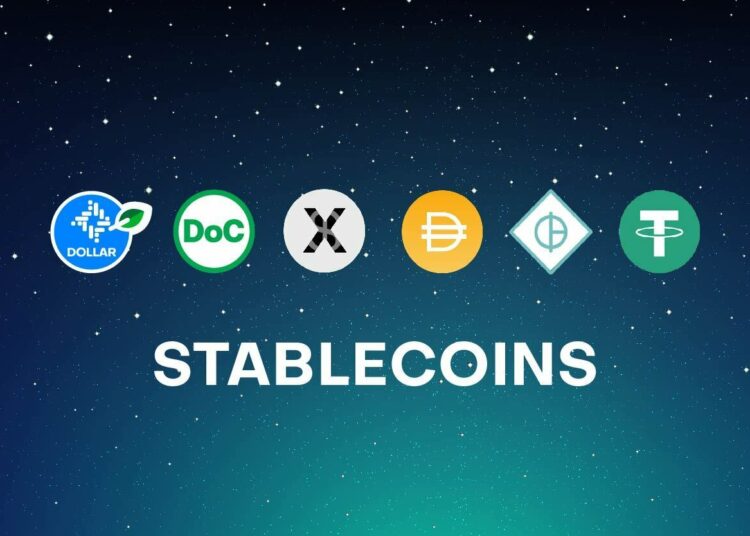
For years, the “crypto” conversation in Nigeria was dominated by Bitcoin’s volatile price swings. But in February 2026, the real revolution in African finance is much quieter, yet far more profound. It is happening in the backend code of our most trusted fintech apps, where stablecoins, digital currencies pegged to the US dollar, are quietly replacing aging banking rails to move millions of dollars across borders in seconds.

While Flutterwave and Yellow Card have dominated recent headlines, they are merely the most visible peaks of a massive subterranean shift. From pan-African giants like Onafriq to newcomers like OneDosh, the industry has reached a consensus: stablecoins are no longer a “crypto hobby”—they are the new plumbing of African payments.
The Rise of the “Invisible Dollar”
The most significant shift in 2026 is that fintechs are deliberately hiding the complexity. Flutterwave’s recent announcement of its StableRails infrastructure exemplifies this “invisible” approach. By combining blockchain technology with their strategic acquisition of Mono, Flutterwave is building a system where a user can move Naira from a bank account into a digital dollar balance without ever needing to know what a “wallet address” or “gas fee” is.
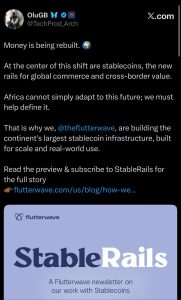
As Flutterwave puts it, they’ve moved from the “loud” phase of building to the “rumbling” phase, doing the heavy engineering work required to serve over a million users from Day One. The goal is simple: make digital dollars feel as reliable and boring as a standard bank transfer.
The Ecosystem Beyond the Giants
The revolution is far from a two-horse race. Just this week, Onafriq (formerly MFS Africa) announced a landmark partnership with Conduit. Onafriq, which connects over 500 million bank accounts across 40 countries, is using stablecoins like USDC to solve the oldest problem in African finance: treasury rebalancing. Instead of waiting days for traditional banks to settle cross-border funds, Onafriq can now move liquidity almost instantly, enabling same-day payouts across the continent.
Meanwhile, the “on-ramp” specialists like Quidax and Busha have transitioned from being simple exchanges to essential infrastructure. Having secured their status under the SEC’s Accelerated Regulatory Incubation Program (ARIP), they provide the regulated liquidity that other fintechs plug into.
Even the startup scene is heating up. OneDosh recently closed a $3 million pre-seed round specifically to build stablecoin-powered cards that work with Apple Pay and Google Pay, allowing Nigerians to spend “invisible dollars” anywhere Visa is accepted.
Why the Middlemen are Vanishing
Why is every fintech suddenly a stablecoin company? The answer lies in the numbers.
-
The Cost of Cash: Traditional remittance fees to Africa have historically hovered around 8-10%. By using stablecoins as a backend settlement layer, companies like Yellow Card and Onafriq are slashing those costs by up to 80%.
-
The Speed Gap: In a world where a Lagos merchant needs to pay a supplier in China now, waiting five days for a SWIFT wire is no longer acceptable. Stablecoins settle in minutes, 24/7.
-
The Regulatory Green Light: The Nigerian SEC’s January 2026 circular, which introduced new license categories like Digital Assets Platform Operators (DAPOs), has finally provided the legal framework that institutional players were waiting for.
The B2B Revolution
While retail users enjoy saving in USDT to hedge against inflation, the “big money” is in B2B. Nigerian tech firms are now using these rails for corporate payroll and supplier payments. By holding “Invisible Dollars,” businesses avoid the “Naira-to-USD-to-Naira” double-conversion trap, protecting their margins in an era of currency volatility.
Nigeria now accounts for roughly 40% of all stablecoin activity in Sub-Saharan Africa. It’s no longer about speculation; it’s about survival and scale.
Conclusion: A New Standard for 2026
The narrative has shifted. We are moving toward a future where “crypto” is a word we might stop using entirely in a financial context. Just as we don’t think about the “TCP/IP” protocol when we send an email, we won’t think about “blockchains” when we send money.
Whether it’s Flutterwave’s StableRails, Yellow Card’s corporate liquidity, or Onafriq’s pan-African treasury, the goal is the same: a financial system that is predictable, explainable, and above all, seamless. The revolution isn’t coming; it’s already “rumbling” beneath our feet.