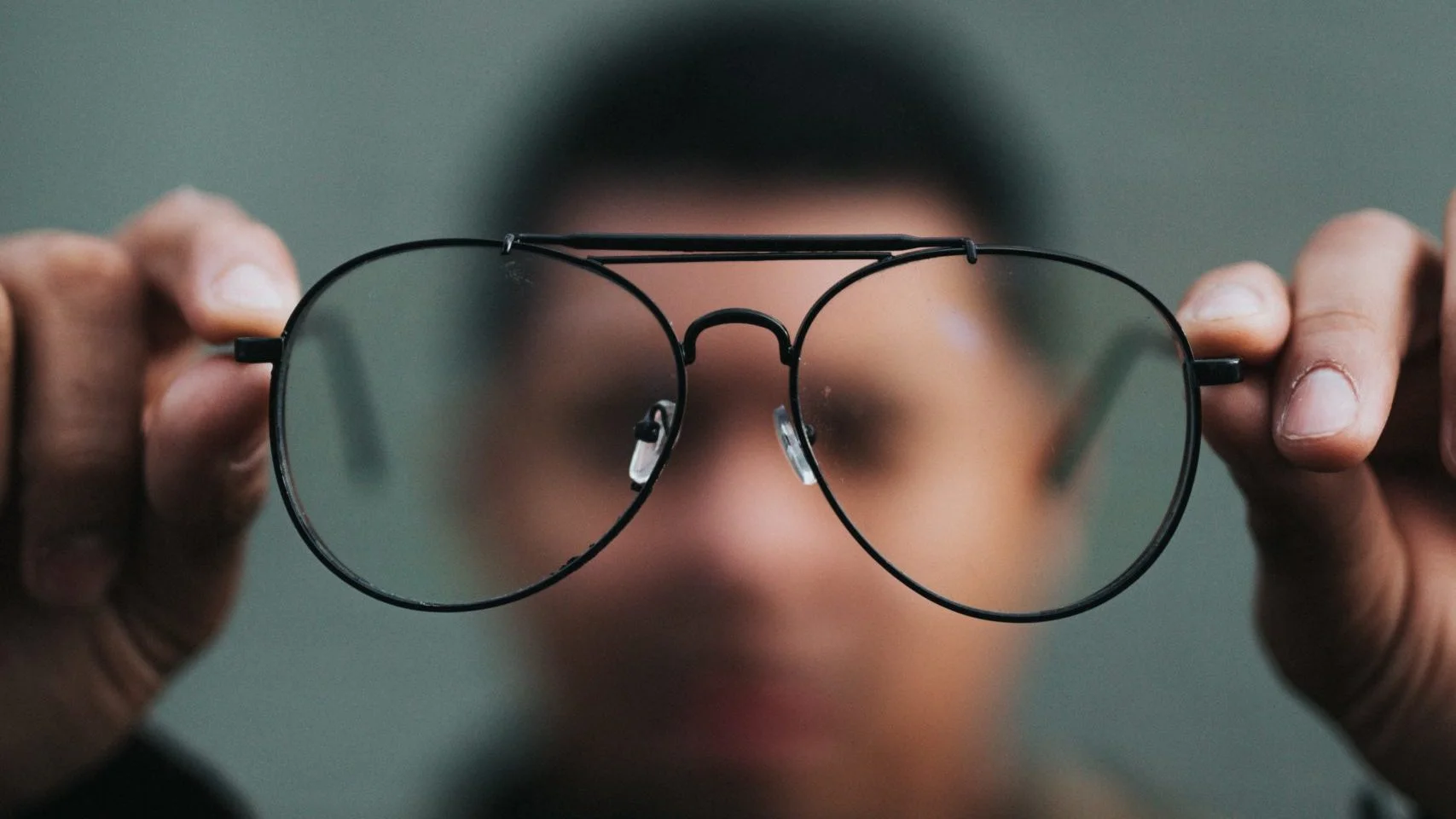
Optometrists are having a field day. Gen Z, the generation that can’t remember a time before smartphones, is speedrunning its way toward a collective eyesight crisis. We’re talking myopia rates that would make previous generations squint, which, ironically, is exactly what Gen Z is doing at their screens right now.

The numbers are genuinely alarming. Studies suggest that upward of 50% of young adults in developed countries are now nearsighted, compared to roughly 25% a few decades ago. The culprit? Approximately seven to ten hours of daily screen time, often starting before kids can even tie their shoes.
A Generation Raised by Rectangles
To be fair to Gen Z, they didn’t choose this life; it chose them. They were handed iPads as toddlers, assigned Chromebooks in elementary school, and told to build their personal brands on Instagram by middle school. Their entire social infrastructure lives inside glowing rectangles. Asking them to reduce screen time is like asking fish to spend less time in water.
The irony is delicious. This is the generation fluent in digital wellness discourse, the one posting about self-care and mental health boundaries. They know they should touch grass. They’ve seen the infographics. And yet here they are, doom-scrolling at 2 AM with their faces six inches from their phones, wondering why their eyes feel like sandpaper.
The Science Bit (Unfortunately Real)
Prolonged near-work (staring at things close to your face for extended periods) fundamentally changes how eyes develop. It’s not just about strain or tiredness; it’s literally reshaping eyeballs. When you spend all day focused on screens inches away, your eyes adapt by elongating, which makes distant objects appear blurry.
Evolution didn’t prepare us for this. Our ancestors spent their days scanning horizons for predators and food, not analysing which filter makes their lunch look most appetising. Now we’ve got an entire generation whose visual systems have been optimised for Instagram captions and Discord threads instead of, you know, seeing things that are far away.
The Eyewear Industrial Complex Wins
The only real winners here are optometrists and eyewear companies, who are presumably cackling all the way to the bank. Gen Z is going to single-handedly keep the glasses industry thriving for decades. Warby Parker’s business model was suspiciously well-timed, wasn’t it?
What Happens Next?
Will Gen Z collectively decide to log off and save their vision? Almost certainly not. The most likely outcome is a future where everyone under 30 wears glasses or contacts, and we all just accept that functioning eyes are now a premium feature that costs extra.
Besides, they’re already designing increasingly stylish frames. If you can’t beat the myopia epidemic, you might as well look good losing to it.