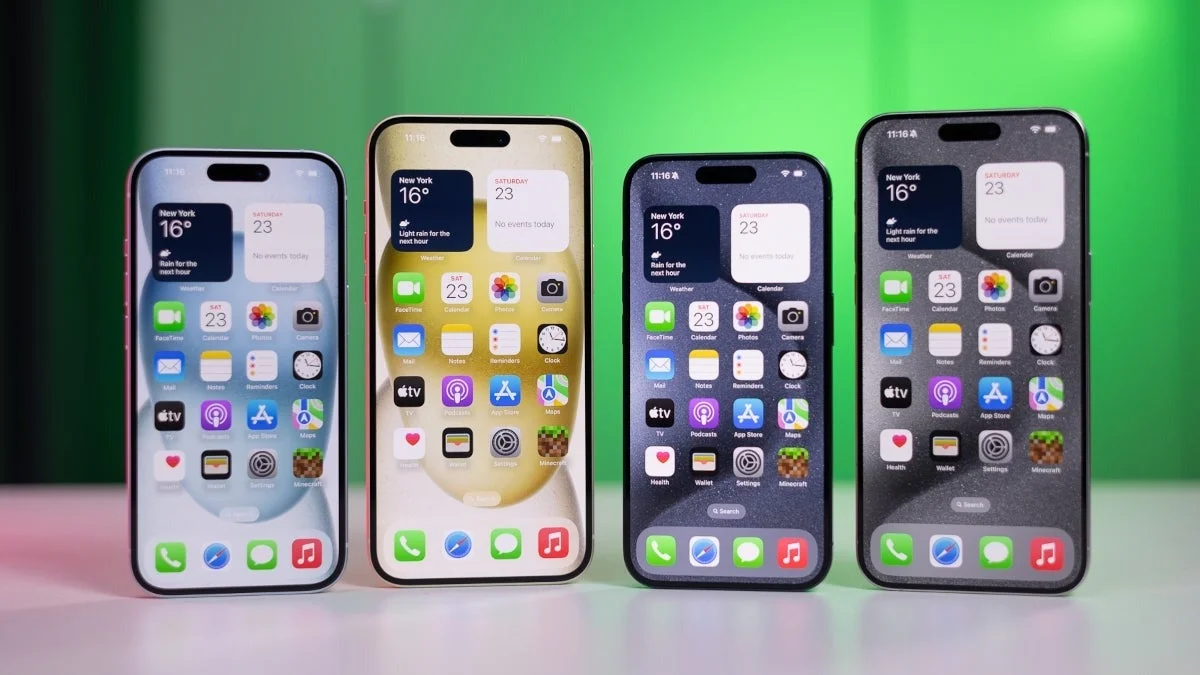
New smartphones are getting more expensive, and Nigeria has felt that increase more sharply than most markets. Exchange rates, import costs, and shrinking purchasing power have pushed flagship prices far beyond what many buyers can justify. That gap has created space for refurbished phones to compete directly with new ones on value. In Nigeria, no segment shows this more clearly than the used iPhones market.

Why “Used iPhones” Became a Category of Its Own
In Nigeria, “UK used” or “foreign used” iPhones are not fringe options. They are a mainstream buying choice. Many consumers actively prefer them to brand-new midrange Android devices. The reason is simple. A two or three-year-old iPhone often delivers better performance, camera quality, and long-term software support than a brand-new phone at the same price.
Apple’s long update cycle matters. An iPhone 11 or iPhone 12 still receives iOS updates and security patches, while many new budget phones stop receiving meaningful updates after a year or two.
Performance That Ages Better Than Price
Refurbished phones offer value because flagship hardware ages slowly. Apple’s processors, display quality, and camera systems remain competitive long after launch. For everyday use, messaging, social media, photography, and payments, most users cannot tell the difference between a new iPhone and a carefully refurbished one. What they notice is the price difference.
In a market where value is measured in years, not hype cycles, that matters.
The Reality of the Nigerian Refurbished Market
Nigeria’s used iPhone market is not perfect. Quality varies widely depending on the source. Some devices are professionally refurbished with genuine parts and battery replacements. Others are simply cleaned, boxed, and resold with underlying issues.
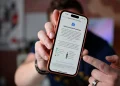
Buyers who get value are usually the ones who know what to check. Battery health, True Tone functionality, Face ID, and iCloud lock status matter more than cosmetic condition. This has turned phone buying into a form of consumer literacy. Experienced buyers often inspect devices physically, run diagnostics, and buy from sellers with reputations to protect.
Why Refurbished Often Beats “Brand New” in Nigeria
In Nigeria, a “brand new” phone does not always mean better. Warranty coverage can be limited. Official service centres are scarce. Replacement parts are expensive. A refurbished iPhone, purchased at the right price, reduces risk. Even if a repair is needed later, the total cost often stays below that of buying new.
The secondary market also makes upgrading easier. iPhones retain resale value better than most devices, allowing users to recover part of their investment when moving up.
Trust, Not Packaging, Defines Value
The biggest difference between a good and bad refurbished purchase is trust. The best deals usually come from sellers who offer short warranties, transparent grading, and clear return policies. As buyers become more informed, the market has slowly adjusted. Sellers who cut corners are being filtered out by reputation and word of mouth.
This is how informal markets mature.
A Smarter Way to Buy, Not a Compromise
In Nigeria, used phones are often the smartest way to buy into premium smartphone experiences. The used iPhone market shows that value is not about being first to open the box. It is about how long the device serves you well for the money you spend.
As prices climb and budgets tighten, refurbished phones will remain the preference for most buyers.