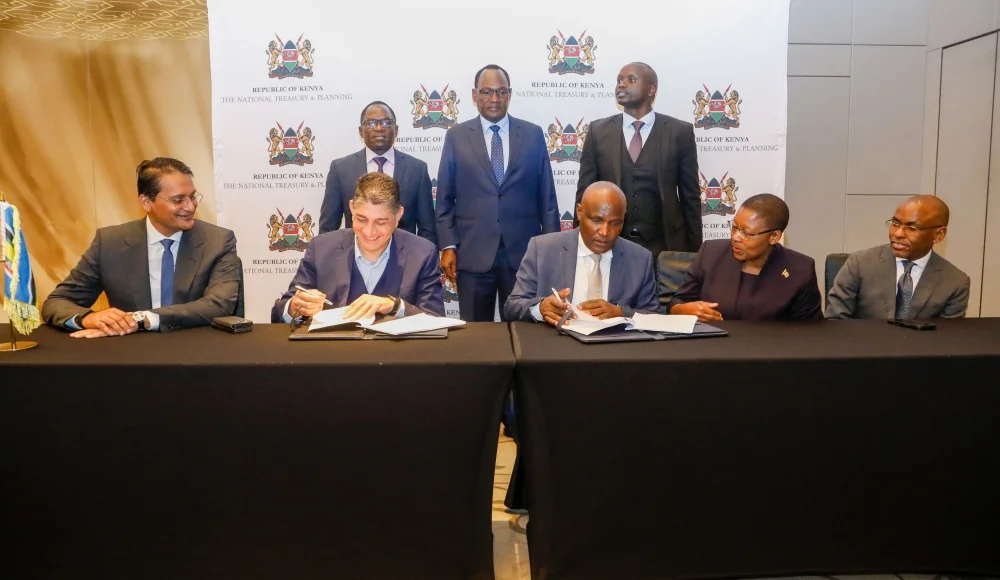
Vodafone Group and its African subsidiary Vodacom will take majority control of Safaricom after acquiring an additional 20 percent stake in the company.
The transaction combines 15 percent bought from the Government of Kenya and 5 percent purchased from Vodafone. With this, Vodacom now owns 55 percent of Safaricom.

Filings in London and Nairobi show that Vodacom will pay about €1.81 billion for the stake.
From now on, Safaricom’s financial results will appear fully in Vodafone and Vodacom’s accounts. This gives the group direct influence over one of Africa’s strongest telecom and mobile-money businesses.
Vodafone confirmed the new ownership split: Vodacom (55 percent), the Government of Kenya (20 percent) and public investors (25 percent).
Why This Deal Reshapes East Africa’s Telecom And Fintech Landscape
Safaricom serves more than 46 million customers. Its mobile-money platform, M-Pesa, anchors digital payments in Kenya and several neighbouring countries.
By securing majority ownership, Vodafone and Vodacom gain clearer control over Safaricom’s network upgrades, fintech roadmap and regional expansion.
For Kenya, the sale raises capital at a time when the government needs revenue. It does this without increasing borrowing or taxes.
Vodacom CEO Shameel Joosub underscored the importance of the deal. He said:
“Vodacom’s acquisition gives us control of one of Africa’s most successful telecoms and financial-services businesses.”
Industry analysts expect deeper integration across the group’s African markets. As a result, customers may eventually benefit from better roaming, more unified fintech products and smoother cross-border services.
How Customers, Retailers And Competitors May Feel The Shift
Safaricom customers could see improvements in network quality as Vodacom aligns infrastructure plans across the region.
M-Pesa users may also notice new services as the platform connects more tightly to Vodacom’s fintech channels in Tanzania, Mozambique and the DRC.
Inside Safaricom, managers and teams may experience changes in reporting lines and governance.
Meanwhile, local competitors such as Airtel Kenya and Telkom Kenya will pay close attention. A stronger Vodacom–Safaricom alignment could influence pricing, enterprise services and the pace of 5G expansion.
What Comes Next As The Deal Moves Through Approvals
Regulators in Kenya and South Africa will review the transaction. Approval is likely, and once it arrives, Vodafone and Vodacom will begin consolidating Safaricom’s results in the 2026 financial cycle.
The next signals to watch include Safaricom’s updated investment plan, M-Pesa’s integration roadmap and whether the group uses Safaricom as the engine for wider East African expansion.