
The 2025 Briter Africa Investment Report presents a narrative that, at first glance, looks like a win for the Nigerian ecosystem. Nigeria recorded the highest number of deals on the continent. But for those of us navigating the local market, the underlying data reveals a much grimmer reality: the “missing middle” has become a graveyard.

While deal activity is high, Nigeria’s share of total funding value dropped to its lowest level since 2019, sitting at just 8%. This divergence between activity and value is the hallmark of a survivalist market. Founders are raising, but they are raising “bridge-to-nowhere” rounds because growth capital has essentially evaporated from the local landscape.
The Illusion of the Exit
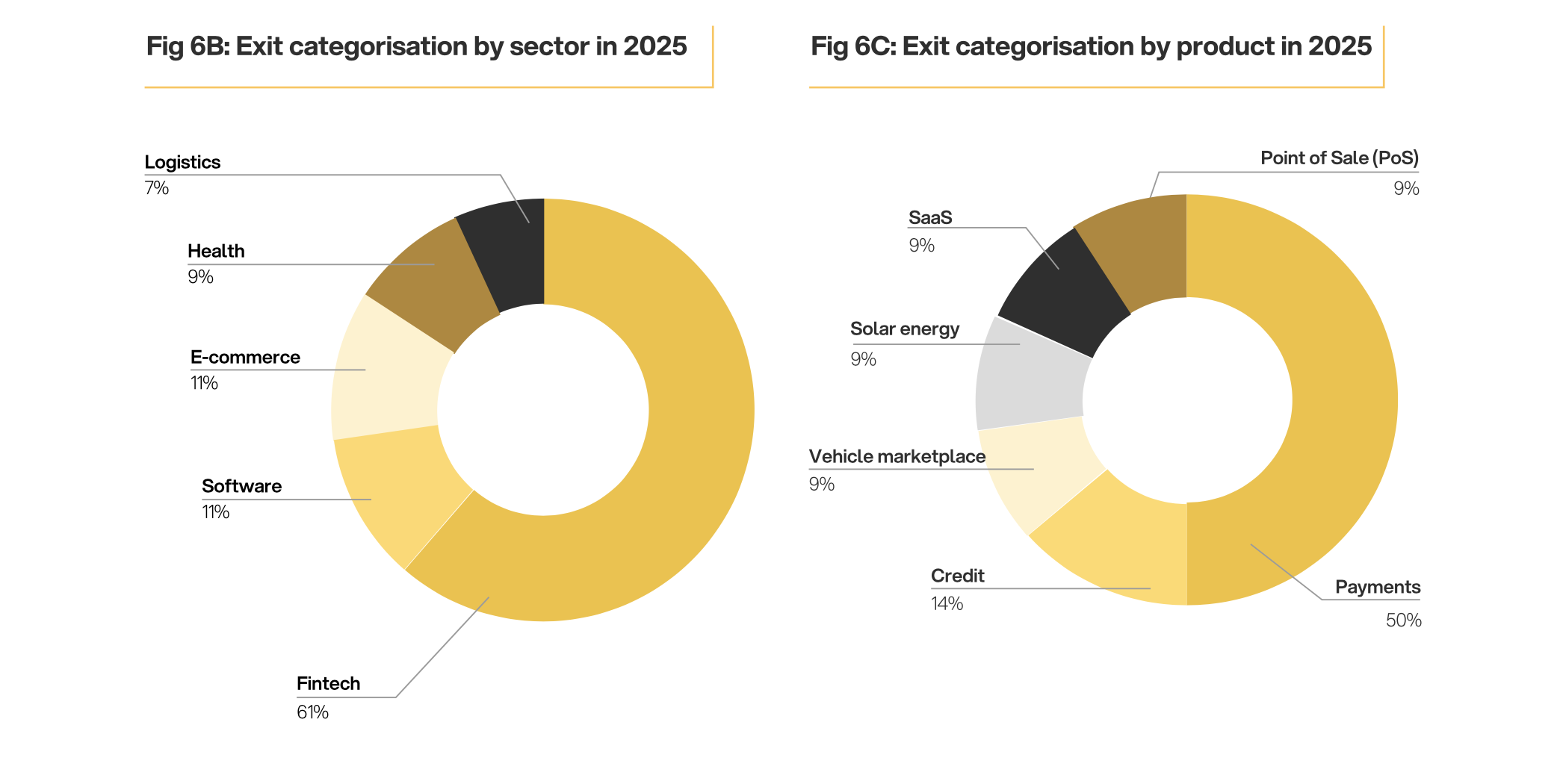
One of the most significant shifts in the 2025 data is the rise of the startup-to-startup acquisition. Of the 63 acquisitions recorded across the continent, the majority were led by fellow startups rather than corporate giants or private equity firms.
For the founder, this is a consolidation trap. These are often “rescue” outcomes—mechanisms for asset preservation where a healthier peer absorbs a struggling competitor to keep the lights on and the talent in place. As venture equity becomes harder to secure, these forced marriages are becoming the primary exit route, often at valuations that leave early investors and founders with little to show for years of work.
The Shift to “Hard” Assets
Investors are no longer betting on pure software plays. The report highlights that capital is moving toward infrastructure-adjacent models—solar energy, logistics, and asset-heavy climate-tech. In 2025, solar energy was the top-funded category, reflecting a pivot toward business models with predictable, hardware-backed returns.
For the Nigerian SaaS or B2B founder, this means the bar for “investability” has shifted. If your business doesn’t solve a core infrastructure gap or offer a clear path to profitability without endless equity cycles, you are essentially operating in a funding desert.
The Verdict for 2026
The era of the “unprofitable unicorn” is officially over in West Africa. The 2025 data shows a transition toward fundamentals-driven capital allocation. Founders must now choose: consolidate early while you still have leverage, or pivot toward the “hard” sectors—energy, trade, and logistics—where the big checks are actually moving.
Nigeria remains the engine of African innovation by volume, but without a recovery in growth-stage financing, we are merely building a pipeline for better-capitalized regional players to acquire at a discount.