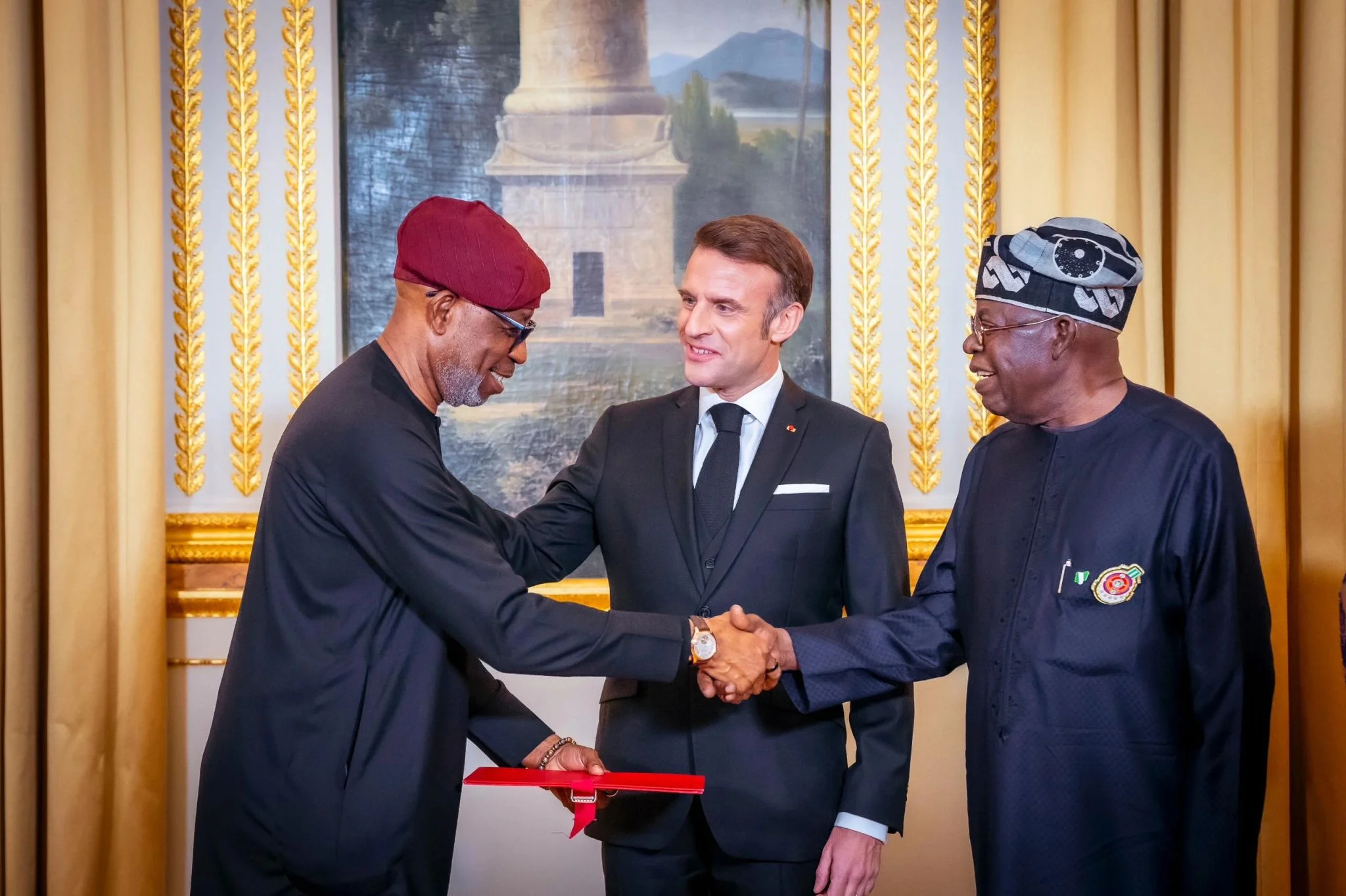
Nigeria’s decision to enter a digital tax cooperation agreement with France has ignited a national debate. The arrangement, signed between the Federal Inland Revenue Service and France’s tax authority, is designed to support Nigeria’s push to modernise tax administration, strengthen digital systems and improve capacity ahead of broader revenue reforms.

Government officials describe the deal as technical cooperation. They say it focuses on knowledge sharing, training and institutional support, drawing on France’s experience in digital taxation. In official statements, authorities insist the agreement does not hand over control of Nigeria’s tax systems or access to sensitive taxpayer data.
Despite these assurances, public reaction has been swift and divided.
Fears of Digital Sovereignty Erosion
Critics argue that the agreement raises serious questions about national sovereignty. Opposition parties and civil society groups warn that involving a foreign government in digital tax reforms could expose Nigeria’s economic infrastructure to external influence.
The central concern is data. In an era where tax systems rely heavily on digital platforms, critics fear that even advisory access could create long-term dependencies or vulnerabilities. Some have described the deal as a risk to Nigeria’s economic independence, particularly if safeguards are not clearly defined and publicly disclosed.
These voices argue that tax data is a strategic national infrastructure. They insist it should be developed, managed and protected entirely within Nigeria’s control.
Transparency Under Scrutiny
Another major flashpoint is transparency. Several political groups have questioned how the agreement was negotiated and whether the full terms have been made available for public and legislative scrutiny.
Calls have emerged for the National Assembly to review the deal and for the government to publish detailed provisions outlining data protection, operational boundaries and exit clauses. For critics, the issue is not only about France, but about setting a precedent for how Nigeria handles future international digital partnerships.
Without clarity, sceptics say public trust in tax reforms could weaken.
Government Pushback and Reassurances
In response, tax authorities have moved to calm tensions. Officials maintain that the agreement does not compromise Nigeria’s sovereignty and that all existing data protection and tax laws remain fully in force.
They emphasise that Nigeria’s digital tax infrastructure will continue to rely on local systems and domestic technology partners. According to the government, France’s role is strictly advisory, with no authority over systems, data or policy decisions.
Supporters within government frame the backlash as a misunderstanding of international cooperation in a digital economy.
A Global Digital Tax Challenge
The controversy also reflects a wider global struggle. Governments around the world are racing to update tax systems to keep pace with digital services, cross-border platforms and artificial intelligence-driven commerce.
For developing economies, the challenge is sharper. Modern digital tax systems promise higher compliance and broader revenue collection, but they require expertise, infrastructure and trust. Partnerships with established tax administrations can accelerate progress, but they also raise fears of overreach if not carefully managed.
What the Debate Signals Going Forward
The Nigeria–France digital has become a broader conversation about how Nigeria balances reform with sovereignty, and cooperation with control.
As tax reforms move closer to implementation, pressure is likely to grow for clearer communication, stronger oversight and explicit safeguards. How the government addresses these concerns may shape public confidence not only in digital taxation, but in Nigeria’s wider digital governance agenda.