
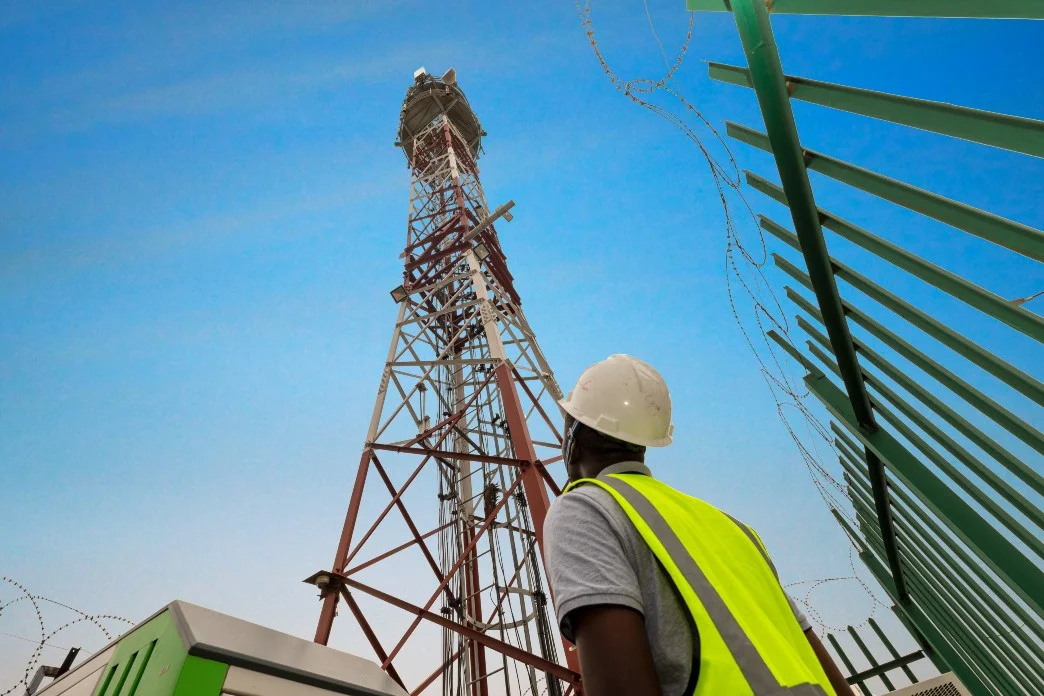
IHS Towers is reshaping its global footprint as its landmark acquisition by MTN Group moves closer to completion, signalling a decisive shift back to an Africa-focused tower strategy.

The company has entered the final stretch of a $6.2 billion transaction that will see MTN take full ownership, ending IHS’s run as a publicly listed infrastructure player and folding it into one of Africa’s largest telecom operators.
A portfolio trimmed for a single outcome
At the centre of IHS’s recent moves is a deliberate clean-up of its portfolio. The company has agreed to sell its Latin American tower operations and fibre assets, transactions that are not just strategic but necessary. These disposals are tied directly to the conditions required to complete the MTN deal. IHS must meet specific balance sheet and cash requirements, including maintaining a minimum cash position at closing.
The implication is clear. IHS is shedding non-core operations to streamline its business around Africa, where MTN’s interests are concentrated. Once completed, the combined entity will focus heavily on tower infrastructure across key African markets.
Reversing a decade of tower strategy
The deal itself marks a broader industry reversal. Over the past decade, telecom operators like MTN Group sold tower assets to independent companies such as IHS Towers to reduce capital expenditure and unlock cash. Now, MTN is buying those assets back.
By bringing towers in-house, the operator expects to reduce long-term leasing costs and gain tighter control over network deployment, especially as demand for 5G and fibre infrastructure grows.
For IHS, the transaction offers a different kind of value. Shareholders are set to receive a cash payout per share, representing a premium over previous trading levels and effectively closing a strategic review that began in 2024.
A long partnership comes full circle
The relationship between the two companies has always been deeply intertwined. MTN is IHS’s largest customer and already holds a significant stake in the tower company, a position that predates IHS’s New York listing in 2021.
Over the years, the two have expanded agreements across multiple African markets, covering thousands of tower tenancies and locking in long-term contracts that stretch into the next decade.
This acquisition effectively brings that partnership full circle, transitioning from a customer-provider model to full operational integration.
What the final structure will look like
Once the deal closes, IHS Towers will be taken private and become a wholly owned subsidiary of MTN Group. The transaction is expected to be finalised in 2026, pending regulatory and shareholder approvals.
MTN will fund the acquisition through a mix of its existing stake, cash contributions from both companies, and limited debt rollover, avoiding the need for new equity issuance.
For the broader market, the outcome is a more vertically integrated MTN, controlling both network services and the physical infrastructure that supports them.
A quieter but significant shift
IHS’s portfolio clean-up may appear procedural, but it reflects a deeper shift in how telecom infrastructure is owned and operated across Africa.
Instead of a fragmented ecosystem of tower companies and mobile operators, the MTN-IHS combination points toward consolidation and tighter control over critical assets.
For Nigeria and other key markets, it could mean faster network expansion and more predictable costs. For IHS, it marks the end of one phase and the beginning of another, now fully aligned with the ambitions of its largest partner.