For the Nigerian fintech founder, the cost of doing business has historically been measured in more than just server costs or customer acquisition. It is measured in a “compliance tax”—the 12-month wait times for product approvals and the massive overhead required to navigate a fragmented regulatory landscape.

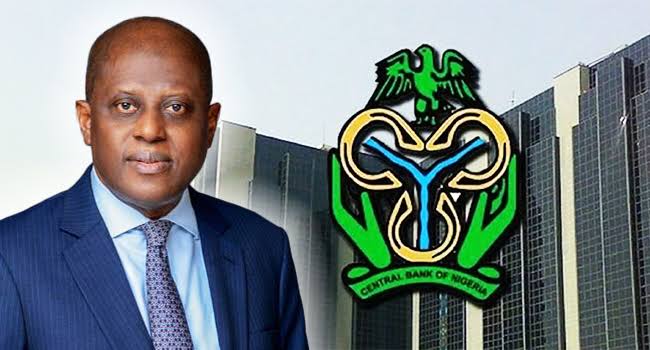
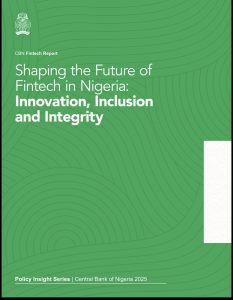
The Central Bank of Nigeria’s (CBN) 2025 Fintech Report marks a significant shift in posture. The document moves away from the traditional “gatekeeper” model toward a framework built on “co-creation” and shared infrastructure.
For founders, this isn’t just a policy update; it is a roadmap to lower burn rates and faster scaling.
1. The Regional Hub: Regulatory Passporting
Scaling a fintech across Africa has traditionally meant starting from scratch in every new jurisdiction. The CBN is now moving to eliminate this friction through Regulatory Passporting.
-
The Strategy: The Bank plans to pilot bilateral agreements with peer regulators in Ghana, Kenya, and Senegal.
-
The Impact: This framework aims for the mutual recognition of licenses. If you are compliant in Nigeria, the goal is for your license to serve as a “passport,” streamlining entry into East and West African corridors.
2. Operational Efficiency: Compliance-as-a-Service (CaaS)
The report acknowledges that 87.5% of fintech firms find compliance costs significantly hamper their capacity to innovate. To solve this, the CBN is proposing a shared utility model: Compliance-as-a-Service.
-
The Strategy: A centralized SupTech (Supervisory Technology) platform to handle reporting and AML/CFT requirements.
-
The Impact: By outsourcing high-frequency compliance tasks to a shared utility, early-stage startups can reduce their legal and regulatory overhead, allowing capital to be redirected toward product development.
3. Peak-Season Resilience: A New Infrastructure Standard
The report specifically addresses the service interruptions that plague the ecosystem during peak transaction periods, such as the December holiday surge.
-
The Strategy: A transition to a Hybrid Infrastructure Model that federates innovation layers to private operators while maintaining core settlement under the CBN.
-
The Impact: The Bank is proposing enforceable Service Level Agreements (SLAs) and real-time status dashboards. This move is designed to stabilize the payments rail during high-velocity periods, ensuring consumer trust isn’t eroded by preventable downtime.
4. The Lending Pivot: Digital Banking vs. PSBs
The Payment Service Bank (PSB) model has long been criticized by founders for its inability to lend, which limits the scope for true financial inclusion.
-
The Strategy: The CBN is now assessing a Consolidated Digital Banking License as a more scalable alternative to the PSB framework.
-
The Impact: This signals a shift toward allowing fintechs to provide credit and savings services under a unified, risk-adjusted framework, bypassing the restrictive ownership and operational structures of the PSB model
The 90-Day Roadmap: What Founders Should Track
The CBN has outlined immediate priorities for Phase 1 (0–3 months) of this implementation:
-
Institutional Dialogue: The launch of a Standing Fintech Engagement Forum to replace one-way circulars with two-way consultation.
-
Open Banking Implementation: The release of a formal roadmap to move open banking from theory to operational reality.
-
Regulatory Portal: The technical scoping for a Single Regulatory Window to centralize all licensing and supervisory processes.
The 2025 roadmap suggests a regulator that has realized its own success is tied to the velocity of the startups it oversees. For the first time, the “rule-setter” is looking to build the platform, not just the fence.
Download the Full Report. Gain deeper insights into the future of Nigerian fintech. You can access the complete Central Bank of Nigeria policy document here