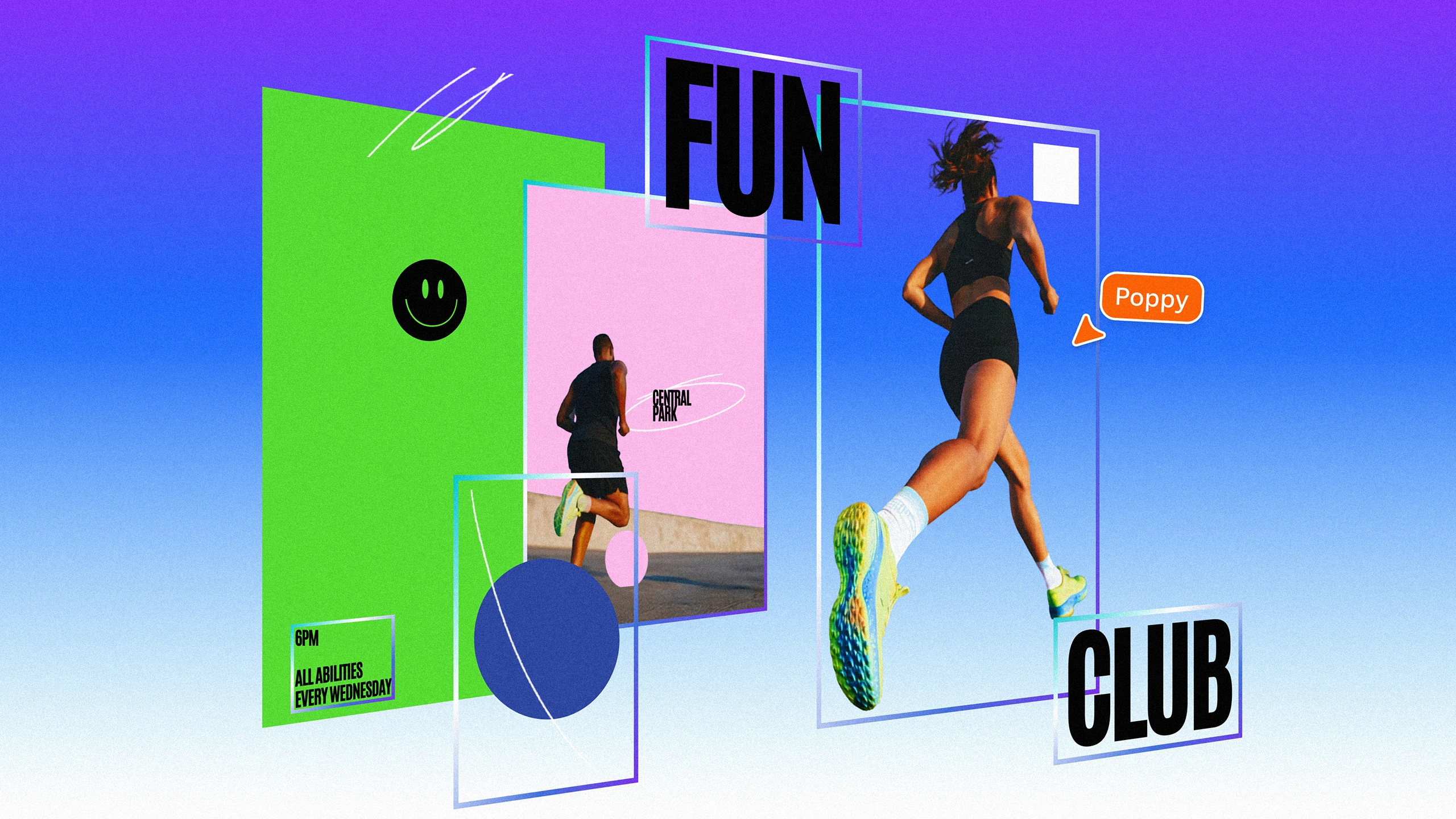
Canva has launched Magic Layers, an AI feature that solves one of the most persistent frustrations in AI-assisted design: the locked, uneditable image. The tool converts flat image files into fully layered, editable designs inside the Canva editor.
The Problem It Fixes
Generative AI tools have made it easy to produce polished visuals from a text prompt. But the output has always been a dead end. Once generated, images land as flat files; any change to a single element meant re-prompting from scratch, risking unintended alterations across the entire image.
Canva co-founder and CPO Cameron Adams put it plainly: “There’s been an explosion of AI-generated content that has, until now, been a dead end. You’d get a finished image you couldn’t edit, refine, or make your own. We think AI should spark creation, not stop it.”
Magic Layers is designed to close that gap.
How It Works
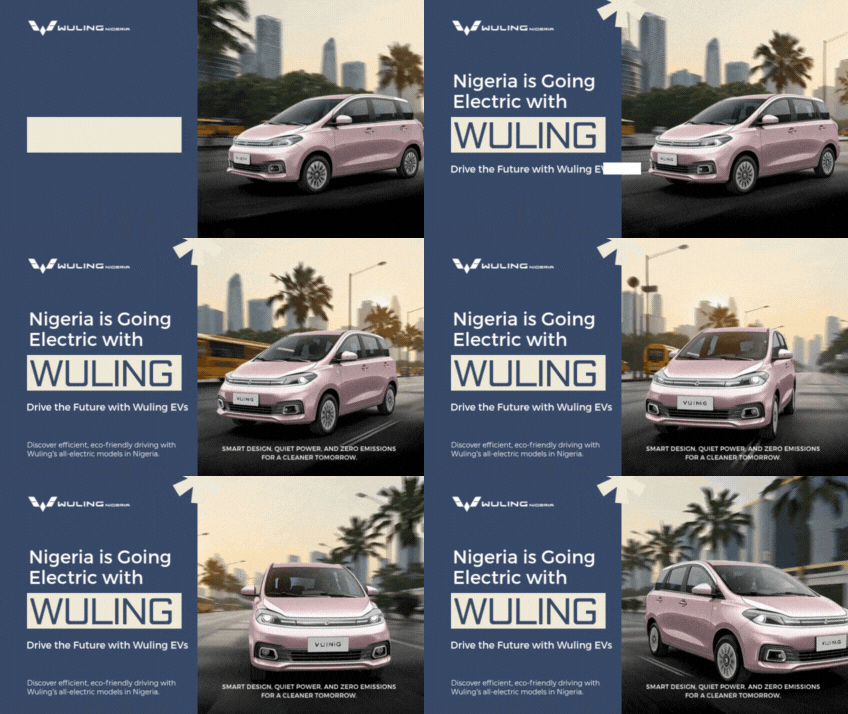
Once a flat image is uploaded, Magic Layers analyses the design’s structure (identifying text areas, separating visual components, and mapping relationships between elements) and then breaks it into individual, movable layers inside the Canva editor. The result behaves like a design built natively in Canva: backgrounds can be swapped, fonts adjusted, and objects repositioned without disturbing the rest of the composition.
The feature works on any compatible flat image, not just AI-generated ones, which extends its usefulness to designers working with exported files, screenshots, or third-party assets.
Powered by Canva’s Own AI Model
Magic Layers runs on the Canva Design Model, a proprietary AI system Canva launched in late 2025 as what it described as the first model purpose-built to understand the logic of visual design. Unlike general-purpose image models that produce static outputs, the Canva Design Model generates content with editable layers and objects from the outset. The model has already powered hundreds of millions of presentations, documents, and social graphics since its debut.
Magic Layers also integrates with Canva’s broader suite of AI tools, allowing users to generate an image via prompt and immediately continue editing it in the same workspace.
A Broader Push Into AI-First Design
Magic Layers is part of a wider strategic shift at Canva. Since its Canva Create 2025 event, the company has rolled out Canva AI (a conversational assistant embedded across the platform) alongside Canva Code for building interactive experiences without coding, and a redesigned video editor called Video 2.0. Canva also revamped Affinity, its professional design suite, to integrate directly with the main platform.
With over 260 million monthly active users and $3.5 billion in annualised revenue, Canva is pushing well beyond its template-based origins, positioning itself as a full-stack creative platform where AI handles production heavy lifting while users retain editorial control.