
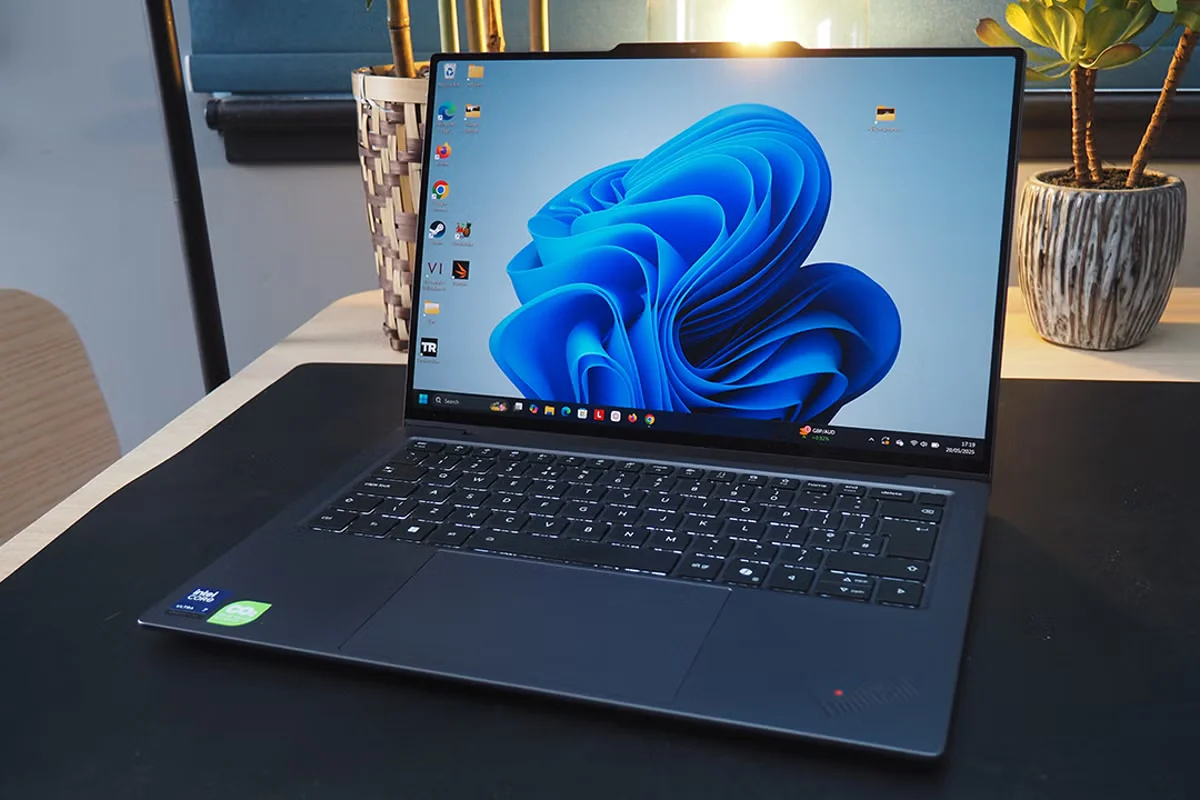
Spec sheets look factual. The numbers, acronyms, and benchmarks make them feel objective.
They are not. Most spec sheets are designed to impress rather than inform. Once you know where the tricks are, they become much easier to read.

Start with the use case, not the numbers
Before reading any spec, decide what you actually do with the device. Whether it’s writing documents, editing video, gaming, coding, social media, or battery-heavy work.
A device that looks powerful on paper can still be wrong for your needs.
Specs only make sense when read through this lens.
Processor names hide more than they reveal
Chip names are just marketing tools. A newer name does not always mean better performance. A laptop with a “latest-gen” processor may use a low-power variant that performs worse than an older high-performance chip.
What to look for instead:
-
Core type and count.
-
Sustained performance, not peak boost speeds.
-
Power class. Many thin laptops use chips designed to save battery, not deliver speed.
If the spec sheet avoids power limits or performance tiers, be cautious.
RAM numbers are easy to inflate and easy to misunderstand
While more RAM sounds better, it is not always useful.
Key questions you must ask are:
-
Is the RAM upgradeable?
-
Is it single-channel or dual-channel?
-
Is it shared with the GPU?
A phone with 12GB of RAM may aggressively kill background apps.
A laptop with 8GB soldered RAM may struggle long-term, even if benchmarks look fine today.
Ignore RAM marketing unless it explains how memory is used.
Storage specs often hide speed limitations
“256GB SSD” sounds premium, but it means nothing without context.
Many devices use slower storage types to cut costs. Some phones ship with high capacity but older storage standards. Some laptops use budget SSDs that reduce performance.
Look for:
-
Storage type.
-
Whether the SSD is replaceable.
-
Real-world read and write performance instead of marketing labels.
The capacity of RAM is inexpensive, but the speed and efficiency are not.
Display specs are where marketing gets creative
High resolution is not the same as a good screen.
Manufacturers love to advertise:
-
Peak brightness that only works in short bursts.
-
Refresh rates that drop under normal use.
-
Colour claims without calibration data.
Focus on:
-
Sustained brightness, not peak.
-
Panel type and viewing angles.
-
Real refresh rate behaviour instead of maximum numbers.
A balanced display beats an overhyped one every time.
Camera and webcam specs are mostly theatre
Megapixels are easy to sell, but image quality is not. Sensor size, image processing, and software matter far more than raw resolution. The same applies to laptop webcams that boast “AI enhancement” but still produce noisy images.
If a brand focuses on megapixels and buzzwords, it is usually compensating for weak processing.
Battery capacity tells only half the story
Big batteries do not guarantee long battery life. Power efficiency, software optimisation, and screen behaviour matter more. Thin laptops with large batteries can still drain fast. Phones with smaller batteries can last longer if tuned properly.
If a spec sheet avoids real usage estimates, assume the worst.
Ports, cooling, and build quality are often buried
These details matter daily, which is why they are downplayed.
Check for:
-
Number and type of ports.
-
Cooling design, not just “advanced thermal system”.
-
Weight and material, not just thickness.
These are areas that can cause the device to fail in real-time usage.
Watch what is missing, not what is highlighted
The biggest red flag is omission.
If a spec sheet avoids:
-
Sustained performance data
-
Repairability
-
Upgrade paths
-
Long-term software support
That omission is intentional.
Read specs like a contract, not a brochure
A good spec sheet answers practical questions. A bad one distracts you with impressive numbers. Ignore superlatives, look for constraints, and focus on behaviour over capability.
When you read specs this way, marketing loses its power. The device tells you the truth on its own terms.