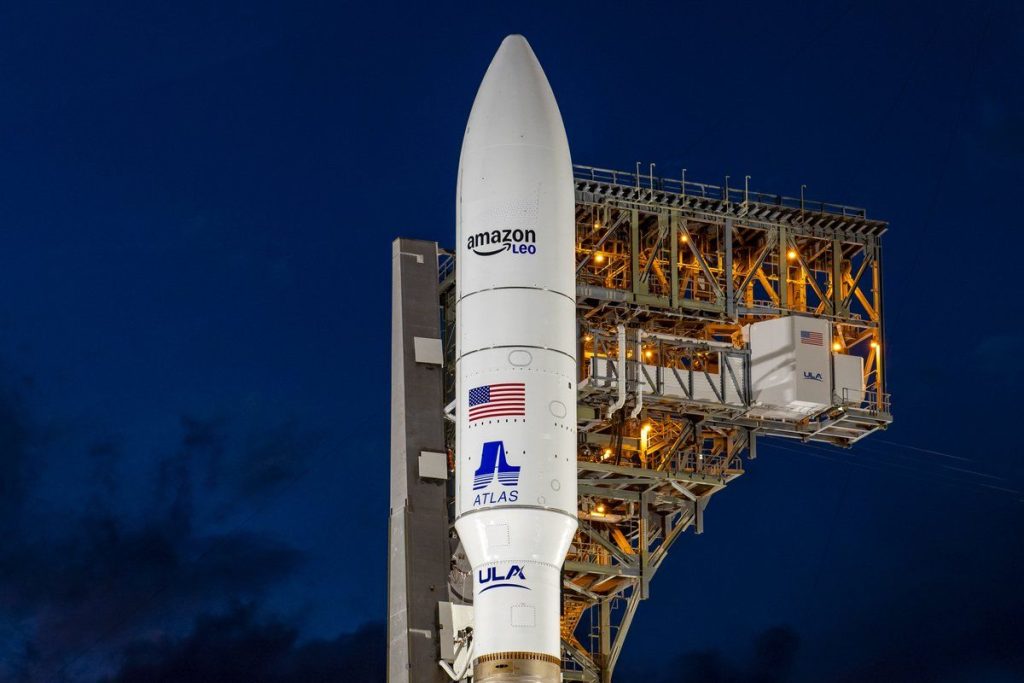
Amazon’s satellite internet initiative, Amazon Leo, has secured regulatory approval to operate in Nigeria after the Nigerian Communications Commission (NCC) granted a seven-year landing permit that will allow the service to begin operations from 2026. This marks the latest shift in Africa’s broadband landscape as satellite providers broaden their reach.
A New Chapter for Satellite Broadband in Nigeria
The permit, dated 28 February 2026, authorises Amazon Leo to operate its low-Earth orbit (LEO) satellite constellation over Nigerian territory as part of a global fleet of up to 3,236 satellites. The approval covers frequency use and service categories that include fixed satellite broadband for homes and businesses, mobile satellite service for devices on the move, and connectivity for moving platforms such as ships and aircraft.
Nigeria’s decision reflects a broader push by the country’s telecom regulator to open its satellite communications market to next-generation providers, aligning licensing with international standards and encouraging competition in areas where traditional networks fall short.
Competition with Starlink And Shifting Market Dynamics
Until now, Starlink — the LEO broadband arm of SpaceX — has held clear first-mover advantage in Nigeria’s satellite internet market. Starlink has been a visible presence, particularly in underserviced regions where fibre and mobile signals are weak. The arrival of Amazon Leo changes that dynamic, introducing a strong global rival with deep financial resources and logistical capability.
For users and businesses across Nigeria, this could translate into more choice and potentially better pricing and service quality. Competition among LEO operators often drives investment into ground infrastructure, customer support, and innovative service offerings as each provider seeks to differentiate itself.
Why Satellite Broadband Matters Now
Satellite broadband has become more than a niche alternative. It is a credible solution for areas where laying fibre is costly or logistically complex. LEO networks cut signal latency by orbiting closer to Earth than traditional geostationary satellites, making them suitable for modern internet needs like video conferencing, cloud services, and online commerce.
Nigeria remains a strategic market. With mobile broadband penetration at around 50 per cent and millions still without reliable connectivity, satellite internet can bridge persistent gaps, particularly in rural and hard-to-reach areas.
Implications for Tech and Investment
Amazon’s approval underscores how global technology companies view Africa as a key part of their connectivity strategies. As more satellite broadband options arrive, regulators, enterprises, and local operators will face new choices about how best to expand coverage, reduce costs, and improve service resilience.
For African tech watchers and media ecosystems, the competition between Amazon Leo and Starlink may also spur local innovation, partnerships with creative and business services that depend on reliable broadband, and new thinking about how digital infrastructure supports content creation, distribution, and consumption.
As the satellite internet market matures in Nigeria, the real winners could be users who gain faster, wider, and more reliable access to the internet, and industries that rely on strong connectivity to grow and compete.