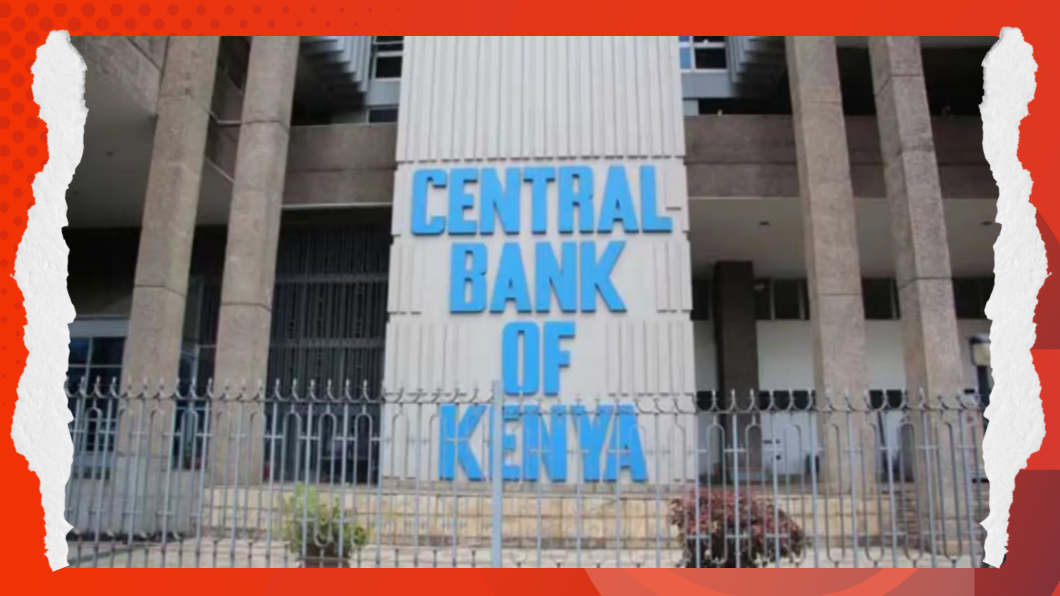
Kenya licenses 42 digital lending platforms as part of a decisive effort to clean up a sector once notorious for debt shaming and sky-high interest rates. The Central Bank of Kenya announced the latest approvals on December 30, 2025, bringing the total number of licensed Digital Credit Providers to 195. This shows how serious regulators are about protecting Kenyan borrowers from rogue loan apps that have plagued the market for years.

The announcement comes just three months after CBK approved 27 other platforms in September 2025. With more than 800 applications received since the regulatory framework launched in March 2022, the licensing process demonstrates Kenya’s commitment to transforming its digital lending sector from a wild west of predatory practices into a structured, consumer-friendly marketplace.
Kenya Licenses 42 Digital Lending Platforms After Rigorous Vetting
The Central Bank of Kenya evaluated each of the 42 newly licensed digital lending platforms based on strict criteria. Every applicant had to prove they meet standards for consumer protection, governance structures, and compliance with financial laws under Section 59(2) of the Central Bank of Kenya Act.
CBK Governor Kamau Thugge emphasised that this thorough vetting process ensures borrowers’ interests stay protected. The regulator examined business models, operational frameworks, and consumer safeguards before approving. This careful approach aims to prevent the kind of abuses that made digital lending a dirty word in Kenya just a few years ago.
The newly licensed platforms join 153 other approved lenders already operating in the country. These digital credit providers offer various loan products through online channels, including USSD codes that work on basic mobile phones. Services range from school fees, loans and personal advances to business financing and asset purchases.
Digital Lending Platforms Drive Financial Access in Kenya
Licensed digital lending platforms have become a real force in Kenya’s financial sector. By November 2025, approved lenders had disbursed 6.6 million loans worth $851.2 million (Ksh 109.8 billion), according to CBK data. This massive lending activity shows how digital platforms fill gaps left by traditional banks that often ignore small borrowers.
The numbers tell a compelling story. Back in June 2025, when Kenya had 126 licensed platforms, they had already issued 5.5 million loans totalling Ksh 76.8 billion. The rapid growth in both loan volume and the number of licensed platforms shows strong demand for quick, accessible credit among Kenyans.
Digital lending platforms have actually overtaken microfinance banks in loan disbursements. While commercial banks still dominate with loan books of over Ksh 3.7 trillion, digital lenders serve a different market segment. They provide small, short-term loans to people who cannot access traditional banking services.
Kenya’s Crackdown on Predatory Digital Lending Platforms
Before Kenya started licensing digital lending platforms in 2022, the sector operated with virtually no oversight. Unregulated loan apps charged interest rates that would make loan sharks blush. Some lenders accessed borrowers’ phone contacts and sent messages shaming people who missed payments. Others violated data privacy laws by sharing personal information without consent.
Public outrage over these practices forced the government to act. The regulatory framework introduced in 2022 requires all digital lenders to obtain licenses from CBK. This system gives regulators tools to punish bad actors and protect consumers.
A 2025 High Court ruling strengthened consumer protections further by extending the in duplum rule to non-bank lenders. This legal principle caps total interest and charges at the original loan amount, preventing debts from ballooning beyond control.
The Central Bank also published Draft Non-Deposit Taking Credit Providers Regulations in August 2025. These proposed rules would expand oversight beyond purely digital platforms to include all non-bank lenders. The draft regulations aim to create a tiered licensing system and strengthen consumer protection standards across the board.
What Licensed Digital Lending Platforms Must Do
Kenya’s licensed digital lending platforms must follow strict operational rules. They need proper governance structures with qualified management teams. Consumer protection mechanisms must be in place before they can start lending. Lenders must also comply with data protection laws and maintain transparent pricing.
CBK monitors licensed platforms continuously. The regulator can revoke licenses if lenders violate rules or harm consumers. This ongoing supervision helps maintain standards and builds trust in the digital lending sector.
Licensed platforms operate through various channels. Many use mobile apps, while others work through USSD codes that function on feature phones. This multi-channel approach ensures people without smartphones can still access digital loans.
The licensing process has received support from other government agencies. CBK acknowledged the collaboration with regulators and various bodies that helped evaluate applications. This coordinated approach strengthens oversight and closes regulatory gaps.
Kenya’s Digital Lending Platforms Face New Rules
The Central Bank’s Draft Non-Deposit Taking Credit Providers Regulations represent a major expansion of oversight. Published in August 2025, these rules would bring all non-bank lenders under CBK supervision, not just digital platforms.
The proposed regulations incorporate consumer protection provisions more explicitly. They establish clear standards for loan pricing, disclosure requirements, and fair collection practices. These rules aim to prevent the predatory behaviour that defined Kenya’s early digital lending market.
A tiered licensing system would group lenders by size and complexity. Smaller operations would face lighter regulatory requirements than large-scale lenders. This approach balances consumer protection with the need to avoid crushing compliance costs for smaller players.
The regulations also address cross-border lending and establish requirements for foreign-owned platforms. This provision responds to the reality that many digital lenders operate across multiple African markets.
Licensed Digital Lending Platforms Transform Kenya’s Credit Market
The growth of licensed digital lending platforms has reshaped Kenya’s financial sector. Traditional banks often require collateral, lengthy paperwork, and established credit histories. Digital lenders approve loans in minutes using mobile money transaction data and other alternative credit scoring methods.
This speed and accessibility explain why millions of Kenyans choose digital loans despite higher interest rates than bank credit. For many small business owners and workers in the informal sector, digital platforms provide the only realistic way to access credit.
The sector serves borrowers that commercial banks ignore. School fees loans help parents pay education costs when bills come due. Business loans give small traders working capital to buy inventory. Emergency personal loans cover unexpected medical expenses or urgent repairs.
Licensed platforms have also created employment. From customer service staff to technology developers, the digital lending sector generates jobs across Kenya’s economy. The industry supports a whole ecosystem of fintech startups, payment processors, and credit bureaus.
How Kenya Licenses Digital Lending Platforms
The path to licensing requires substantial preparation. Applicants must develop detailed business plans showing how they will operate sustainably while protecting consumers. They need to establish proper corporate governance with qualified directors and managers.
Technology systems must meet security standards to protect borrower data. Platforms need clear loan pricing structures that comply with CBK requirements. Consumer complaint mechanisms must be in place before approval.
The Central Bank reviews each application thoroughly. This process takes time, which explains why only 195 platforms have been licensed despite 800+ applications since 2022. CBK prefers careful vetting over rushed approvals that could let bad actors into the regulated space.
Once licensed, platforms must submit regular reports to CBK. These filings provide data on loan volumes, interest rates, default rates, and consumer complaints. This information helps regulators spot problems early and take corrective action.
Digital Lending Platforms Drive Kenya’s Financial Inclusion Goals
Kenya has long been a leader in mobile money and digital financial services. M-Pesa launched in 2007 and now serves millions of users. Digital lending platforms build on this foundation by converting mobile money adoption into access to credit.
The country’s high smartphone penetration supports digital lending growth. Even Kenyans without smartphones can access loans through USSD codes. This technology works on basic feature phones that remain common in rural areas.
Licensed digital lending platforms help Kenya achieve financial inclusion targets. The government wants all citizens to have access to formal financial services. Digital lenders reach people that traditional banks cannot serve profitably.
However, financial inclusion must come with protection. Licensed platforms provide both access and safeguards. Borrowers can obtain credit quickly while knowing that regulated lenders must follow fair practices.
The sector’s growth also generates valuable credit data. As more Kenyans use digital loans responsibly, they build credit histories. This information could eventually help them access larger loans from banks and other formal lenders.
The Future of Licensed Digital Lending Platforms in Kenya
The market has room for expansion as long as lenders can maintain quality standards and protect consumers.
New regulations expected in 2026 will reshape the sector further. The Draft Non-Deposit Taking Credit Providers Regulations could become law, bringing even tighter oversight. Licensed platforms will need to adapt their operations to meet enhanced requirements.
Technology will drive the next phase of evolution. Artificial intelligence and machine learning could improve credit scoring and reduce default rates. Blockchain technology might create more transparent lending processes.
Regional expansion offers growth opportunities. Several Kenyan digital lenders already operate in other East African countries. Success at home provides a blueprint for regulated lending across the region.
The sector must balance growth with responsibility. Licensed digital lending platforms have a chance to prove that fintech can expand access while treating customers fairly. Kenya’s regulatory model could become a template for other African nations grappling with similar challenges.