Private solar operators across Africa have struck gold, securing major financing deals worth hundreds of millions as the continent’s off-grid energy sector transforms into a massive business opportunity serving over half a billion people.
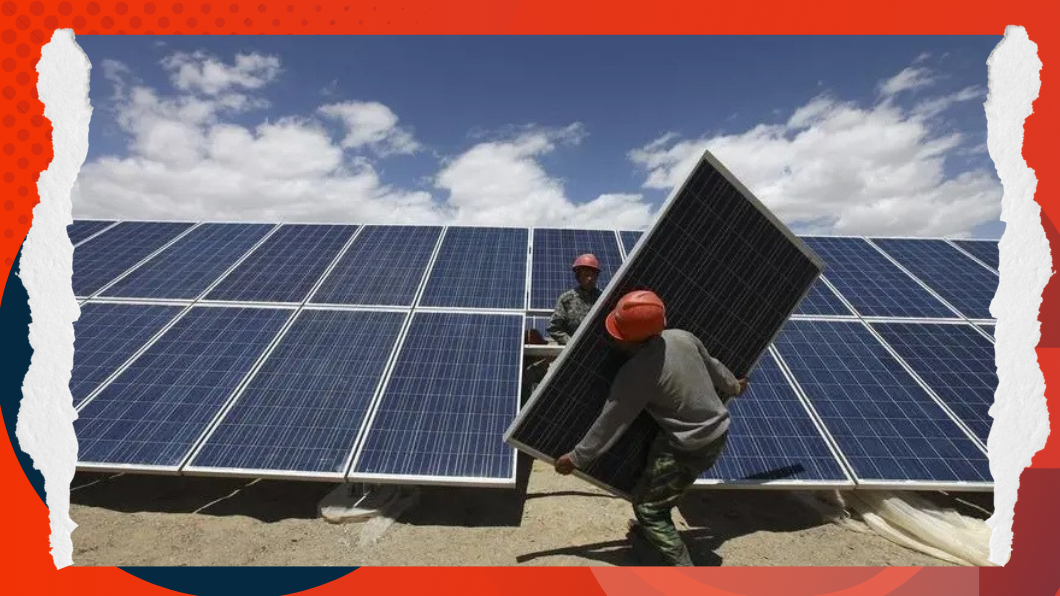
Off-grid solar systems now power 561 million people across Africa, with companies like Sun King, Bboxx, and Orange Energies racing to capture market share in a sector that provided 55% of all new electricity connections in Sub-Saharan Africa between 2020 and 2022.
Solar Companies Cash In on Africa’s Energy Crisis
Sun King leads the pack with aggressive expansion, recently closing a $156 million securitization deal backed by major Kenyan banks and international institutions. The company has extended $1.3 billion in solar loans to nearly 10 million customers across the continent and now supplies electricity to 30% of Kenyan households.
Meanwhile, Bboxx expanded its footprint dramatically after acquiring PEG in 2022, spreading operations across ten African countries and serving over 2.5 million people. The acquisition brought Côte d’Ivoire, Ghana, and Mali into Bboxx’s growing empire.
Orange Energies, the telecoms giant’s energy arm, connected over 600,000 households in 2024 alone, bringing electricity to nearly 4 million people across 13 countries. The company won multiple contracts worth hundreds of thousands of dollars from international development agencies, including a €150,000 tender from the African Development Fund and a $360,000 World Bank contract in Liberia.
Pay-As-You-Go Model Drives Explosive Growth
The secret sauce behind this boom lies in the pay-as-you-go (PAYGo) model, which allows customers to purchase solar equipment in small instalment payments via mobile money platforms. This approach has opened up markets previously considered too poor to serve profitably.
Sales of off-grid solar kits in East Africa exceeded 6.55 million units in 2024, showing a 37% increase compared to 2023. Cash sales jumped 48% year-over-year, indicating growing purchasing power among rural customers.
The Energy Sector Management Assistance Program (ESMAP) reports that 86% of solar pump users increased productivity while 88% saw higher incomes. Among businesses using refrigeration systems, 88% reported improved quality of life alongside increased profits.
Massive Investment Gap Creates Opportunity
Despite the impressive growth, the sector faces a funding challenge that represents a massive opportunity for investors. The off-grid solar industry needs $3.6 billion annually through 2030 to electrify households where solar represents the most cost-effective solution.
Current investment levels of around $300 million per year fall far short of requirements. The World Bank estimates that $21 billion in total funding is needed to reach 398 million people who would benefit most from off-grid solar solutions.
About 40% of the required funding must come through targeted subsidies to reach the poorest households. Only 22% of unelectrified households globally can afford PAYGo instalments, dropping to just 16% in Sub-Saharan Africa.
Energy Poverty Remains a Massive Market Opportunity
The scale of Africa’s energy crisis provides context for the business opportunity. Latest International Energy Agency data show that 730 million people worldwide still lack electricity access, with 600 million living in Sub-Saharan Africa.
The African Development Bank estimates that over 600 million Africans, nearly half the continent still depend on kerosene lamps, candles, or expensive diesel generators for their energy needs. These households spend $28-50 billion annually on fuel costs alone, plus additional maintenance expenses.
Private Sector Profits from Productive Energy Use
Companies are discovering that electricity access drives economic activity that creates sustainable revenue streams. More than 3 million people operated businesses using home solar systems in 2023, according to ESMAP data.
Solar installations enable extended business hours, improved cold storage for agriculture, and enhanced productivity across small enterprises. Rural communities use solar pumps to adapt to drought conditions and increase agricultural yields, while refrigeration reduces post-harvest losses and preserves vaccines in health centers.
The productive use applications represent a growing revenue opportunity. Among 79,000 surveyed customers across 31 countries, 88% of refrigerator users employed their systems for business purposes, while 81% reported improved quality of life.
Currency Risk and Logistics Challenge Growth
Solar companies face significant operational challenges despite the growth potential. Most operators borrow in foreign currencies while collecting revenue in local currencies, exposing them to exchange rate fluctuations.
In Nigeria, basic solar lantern prices rose 91% to 300% in local currency terms during 2023, erasing benefits from declining global component costs. PAYGo repayment rates stagnate around 62%, with one in four customers facing payment difficulties.
Remote area logistics can increase final product prices by 57%, pushing households back to traditional energy sources. Low-quality products, estimated at 70% of sales, undermine consumer trust and limit market expansion.
International Backing Validates Business Model
Major development institutions are backing private sector expansion with significant funding commitments. The World Bank and African Development Bank’s Mission 300 initiative aims to connect 300 million Africans by 2030, with off-grid solar playing a central role.
Government budget allocations for electricity access across 23 Sub-Saharan African countries reached $1.1 billion in 2024, rising to $1.9 billion in 2025. This signals strong political support for private sector partnerships in energy delivery.
The sector has attracted $1.2 billion in investment during 2022-2023, largely through debt financing arrangements that allow companies to scale operations while managing risk.
Private operators have transformed Africa’s energy landscape from a development challenge into a profitable business opportunity. With massive unmet demand, supportive policy frameworks, and proven business models, the off-grid solar sector represents one of Africa’s most attractive investment opportunities.
The combination of urgent need, innovative financing, and strong returns continues to attract capital and talent to a sector that promises both social impact and commercial success across the continent.