
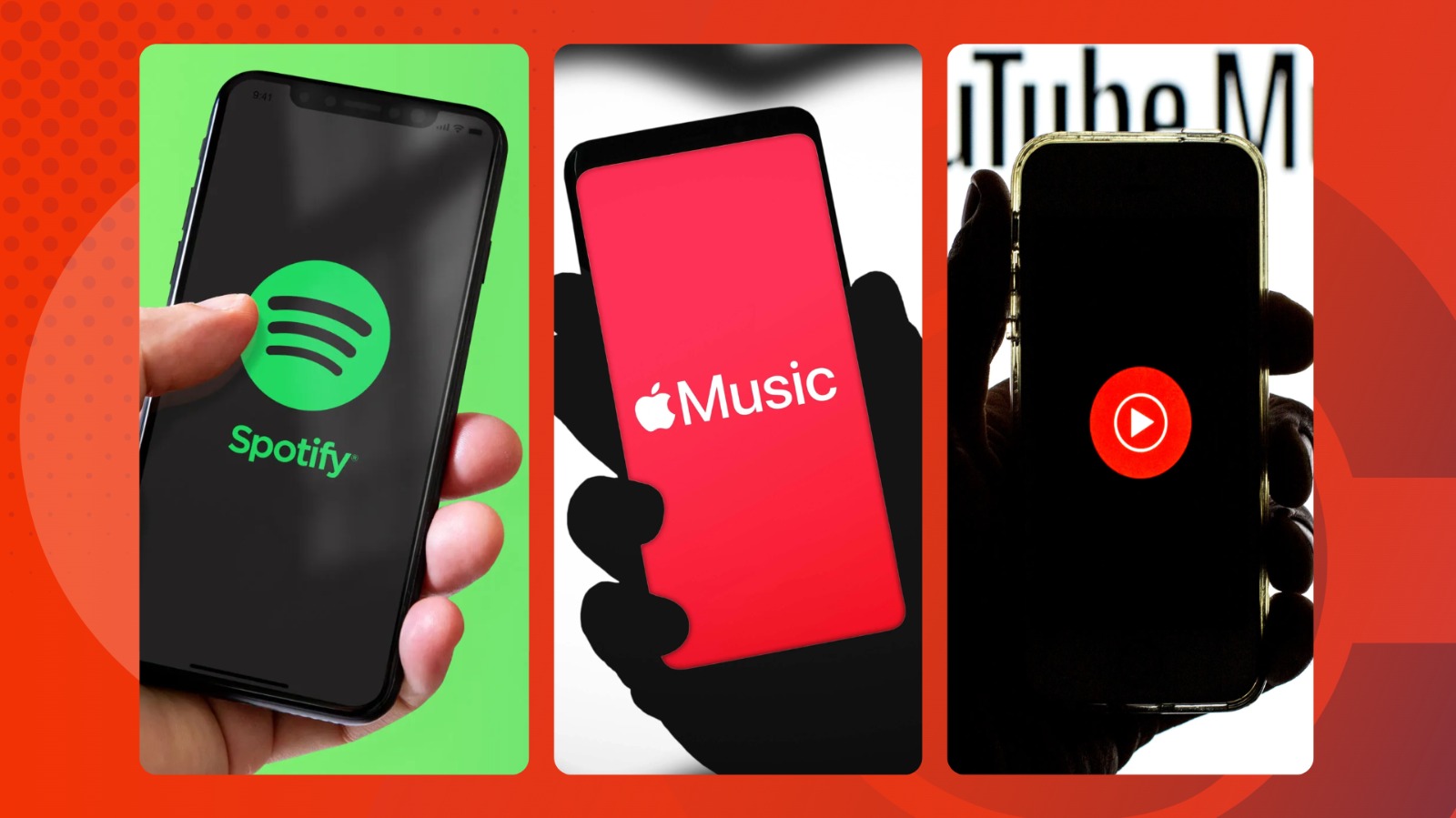
Spotify, YouTube Music, and Apple Music are the three biggest platforms for Nigerian listeners, but each one serves a different type of user. The differences can be confusing on the surface, so this breakdown focuses on what truly matters: data use, music discovery, sound quality, and everyday convenience.

Spotify Stands Out for Discovery and Data Use
Spotify has built a strong following in Nigeria because it understands how people listen. The platform quickly learns your taste and keeps serving fresh music that feels personalised. For many users, this discovery engine is the reason they stick with it. Afrobeats, Amapiano, street-pop, and emerging Nigerian acts are heavily featured, so you don’t need to search too hard to find what’s trending locally.
Another major advantage is data efficiency. Spotify compresses music well, and this matters in a country where streaming data can add up. Even on a small bundle, the app performs smoothly and loads fast. The overall experience is simple, flexible, and works the same across Android, iPhone, laptops, and even low-spec devices.
Where Spotify shows its limits is in audio quality and offline performance. Downloads work, but they are not as quick or stable as Apple Music. And while the sound is good enough for most people, high-end headphone users might notice the difference.
YouTube Music Wins on Variety and Cultural Breadth
YouTube Music feels like the most open platform of the three because it carries everything tied to the YouTube ecosystem. It’s the only service where you can find studio tracks, obscure gospel sessions, old Nigerian classics, live performances, remixes, DJ sets, and covers all in one place. For Nigerians who grew up with music on YouTube, this familiarity makes the platform feel natural.
It also becomes an easy choice if you already use YouTube every day. A single subscription gives you both ad-free YouTube and access to YouTube Music, so the value is strong. Recommendations are solid as well, especially if you watch and listen across multiple genres.
The trade-off is data. Because the platform is video-first, it tends to consume more bandwidth, even when you’re only streaming audio. The interface can also feel slightly busier than Spotify or Apple Music, which may frustrate users who prefer a cleaner layout.
Apple Music Delivers the Best Sound and Most Polished Experience
Apple Music is designed for users who care about premium sound. Lossless audio and Spatial Audio make a noticeable difference, even on regular Afrobeats tracks. The catalogue is wide, the app is organised, and offline downloads are very reliable. For people with inconsistent network access, this stability becomes a major advantage.
However, Apple Music shines brightest on Apple devices. On Android, it works, but it doesn’t feel as smooth or tightly integrated. The improved sound quality also means larger file sizes, so storage can become an issue if you download everything in lossless format. And while the recommendations are decent, they don’t match Spotify’s ability to introduce new artists.
The Right Choice Depends on Your Habits
Each platform leads in its own way. Spotify is best if you want smart recommendations and lower data use. YouTube Music fits people who enjoy live performances, rare tracks, and the wider YouTube universe. Apple Music is the premium option, offering the best sound and a polished interface, especially if you are in the Apple ecosystem.
All three platforms work well in Nigeria, but the best one for you depends on how you listen, how much data you want to spend, and the type of experience you enjoy.