
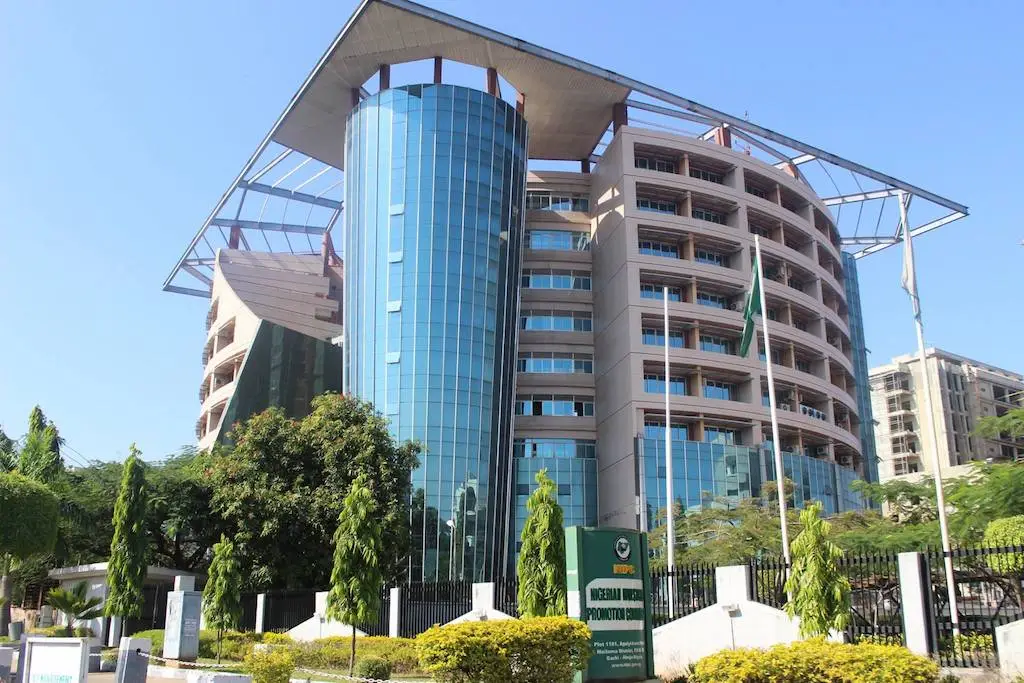
Nigeria’s telecom regulator has drawn a new line in its relationship with mobile network operators. The Nigerian Communications Commission (NCC) has announced a mechanism that will provide automatic compensation to subscribers affected by prolonged or repeated network failures, marking a shift from complaint-driven redress to a more proactive regulatory model. The directive, announced on March 29, 2026, takes full effect this month.

No Complaints Required
The most significant feature of the new framework is its design. Subscribers will not be required to lodge complaints or apply for refunds. Instead, telecom operators are expected to track service failures, identify impacted customers, and issue compensation directly. This removes a barrier that has historically discouraged users from seeking redress: the process of reporting poor service to operators notorious for poor service.
Affected users will receive airtime credits calculated based on their average spending patterns and their presence within local government areas where service failures occur. The framework covers voice, data, and SMS services. Crucially, it does not apply to every outage; only service failures that fall below the defined thresholds set by the NCC’s Quality of Service Regulations will qualify. Short, isolated interruptions and immediately remedied interruptions may not qualify.
To be eligible, a subscriber must have made at least one chargeable activity (a billed call, SMS, or data session) during the relevant period, and must be using a Nigerian SIM within Nigeria. Foreign SIMs roaming on local networks are excluded.
Will It Change Operator Behaviour?
The harder question is whether automatic compensation translates into better networks or simply formalises a cost of doing business poorly. Analysts say the move could drive stronger competition among operators on service quality, while also forcing more disciplined investment in network infrastructure and maintenance. That is the optimistic reading.
The pessimistic one is that operators absorb the compensation cost without meaningfully fixing their networks, particularly in underserved areas where the economics of infrastructure investment are weakest. The NCC’s ability to enforce compliance transparently and consistently will determine which outcome prevails. For Nigeria’s 180 million-plus subscribers, the proof will be in the airtime, and more importantly, in whether they ever need to receive it.