
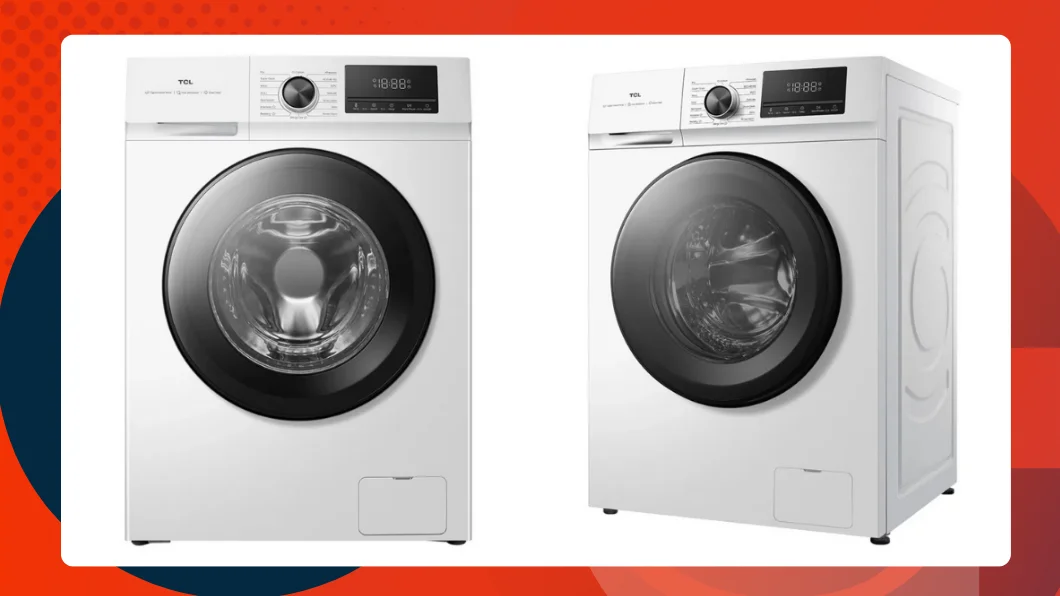
A washing machine looks, from the outside, like a box that spins clothes around in water. If that is all it does, how exactly is it getting the armpit stains and collar grime out?

Spinning is not really the point. The spin is the last thing that happens, and it is mostly just wringing water out. The actual cleaning happened long before the drum started moving fast.
Water and detergent come in first
The machine pulls cold or hot water in through a valve at the back, depending on your cycle setting. The detergent you loaded into the drawer gets mixed into that water as it enters the drum. This is where the chemistry begins.
Detergent is not soap. It is a surfactant, which means it is a molecule with two very different ends. One end is attracted to water. The other end is attracted to grease and oil. When detergent hits a stain, the oil-loving end latches onto the grease, and the water-loving end stays attached to the water in the drum. As the water moves, it physically pulls the stain away from the fabric. Plain water alone cannot do this.
The drum does more than spin
During the wash cycle, the drum rotates slowly and repeatedly, back and forth rather than continuously in one direction. This tumbling motion lifts clothes up and drops them back into the water, over and over. That mechanical action works the detergent into the fabric, pushes it through the fibres, and dislodges dirt that has settled into the weave.
For collars, armpits, and heavily stained areas, this is where most of the work gets done. The repeated tumbling combined with the surfactant chemistry loosens the grime that has bonded to the fabric. The hotter the water, the more effective this process is, which is why heavily soiled items get a hot wash and delicate fabrics get a cold one.
Rinse cycles remove what the wash loosened
After the wash cycle, the dirty water drains and fresh water comes in. The machine rinses the clothes multiple times to remove detergent residue along with the dirt it captured. Detergent left in fabric irritates skin, makes clothes stiff, and over time damages the fibres. The rinse cycle is doing more work than most people give it credit for.
The spin is last and it is purely mechanical
Once rinsing is done, the drum spins at high speed, sometimes over 1,000 rotations per minute depending on the machine. At that speed, centrifugal force pushes water outward through the drum holes and into the outer tub, where it drains away. The clothes end up damp rather than soaking wet, which shortens drying time significantly.
The spin does not clean anything. It is a very fast, very efficient wringer. That is its entire job.

So why do some stains survive?
Because not all stains are grease. Blood, wine, grass, and ink bond to fabric differently and sometimes require enzyme-based detergents that break down proteins rather than just lifting oil. Some stains also set when they dry, meaning the longer a stained item sits before washing, the harder the job becomes. A washing machine is a chemistry delivery system as much as it is a mechanical one, and the chemistry has to match the stain.
What the modes on your machine actually do
Every mode on a washing machine is a preset combination of three things: water temperature, drum movement speed, and cycle length. The machine is not guessing. It is running a specific programme calibrated for a specific type of fabric and soil level. Understanding what each mode does means you will stop using Cotton 60 for everything and wondering why your gym kit keeps shrinking.
Using a common 7kg washer-dryer as the reference point, here is what each mode is actually doing:
| Mode | Best for | Temp | Spin | |
| Cotton | Everyday shirts, bedsheets, towels. The machine’s longest and hottest cycle. | 60°C | High | |
| Synthetics | Polyester, nylon, and mixed fabrics. Lower temperature protects the fibres. | 40°C | Medium | |
| Delicates | Silk, wool, lace, and lingerie. Gentle tumble and cool water only. | 30°C | Low | |
| Quick Wash | Lightly worn items or a refresh cycle. Not for heavily soiled clothes. | 30°C | Medium | |
| Drum Clean | No clothes. Cleans the drum itself. Run monthly to prevent odours. | 90°C | High | |
| Wash + Dry | Full wash followed by a tumble-dry cycle. Reduce load by half for best results. | 40°C | Medium |
Cotton is the machine’s workhorse setting. It runs long, hot, and with vigorous drum movement because cotton fibres can take the punishment. This is where heavily soiled items, bedding, and everyday clothes belong.
Synthetics uses a lower temperature because polyester and nylon soften and deform above 40 degrees. The drum still tumbles but more gently, and the spin speed drops to prevent fabric stress.
Delicates is the machine running at its most restrained. The drum barely agitates. The water stays cool. The spin is slow enough that the clothes exit damp rather than wrung. This is the correct mode for anything with a handwash label.
Quick Wash is not a cleaning programme. It is a freshening programme. At 15 to 30 minutes, it does not have enough time or heat to remove genuine dirt. Use it for lightly worn items that just need a rinse and a tumble.
Drum Clean has no clothes in it at all. It runs at 90 degrees with the drum full of water to scorch away detergent buildup, mould, and bacteria that accumulate inside the machine over time. Run it every month or two. Most people skip it entirely and then wonder why their clean clothes smell musty.
Wash and Dry is available on combo washer-dryer units. It runs a full wash cycle and then transitions directly into a heated drying cycle without any intervention. The important caveat: the drying capacity of most washer-dryers is roughly half the washing capacity, so a 7kg wash load needs to be 3.5kg or less for the drying to actually work. Overload it and the clothes come out warm and still damp.
From the outside, a washing machine is a box that spins things. From the inside, it is running a precisely sequenced combination of chemistry, heat, and mechanical agitation that most appliance adverts never bother to explain.
Now you know.