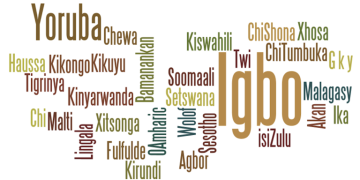
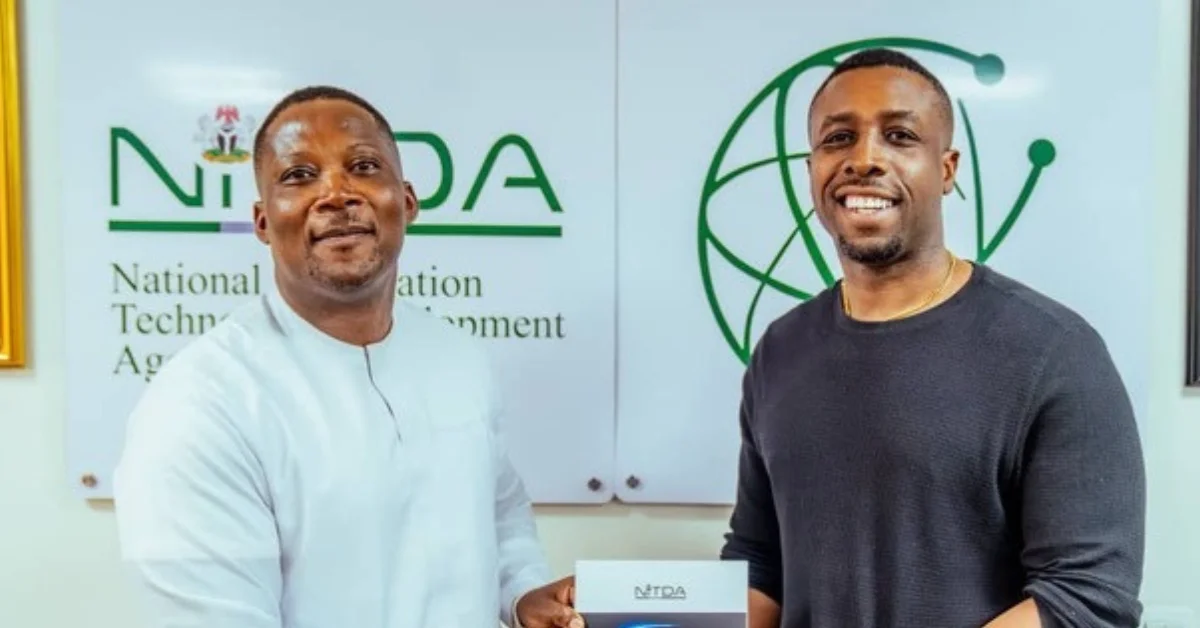
Africa has over 2,000 languages. Most AI systems speak fewer than a dozen. That gap is what a new partnership between Nigeria’s National Information Technology Development Agency (NITDA) and NKENNEAi is working to close.
The Partnership and What It Covers
The collaboration aims to build scalable translation and language technologies capable of supporting government services, healthcare systems, financial platforms, and digital applications across Nigeria’s multilingual population. It is technically ambitious, but its stakes are fundamentally human: millions of Nigerians are locked out of digital services not because of a lack of access, but because those services were never designed to speak to them. The high-level engagement, hosted by NITDA, signals a deliberate push to position Nigeria as a leading continental hub for AI innovation, with particular emphasis on inclusive technology that bridges linguistic barriers.
NKENNEAi’s Technical Foundation
NKENNEAi brings serious technical credibility to the table. Through the NSF’s Small Business Innovation Research program, funding was awarded to ESM Global Productions (the company behind NKENNEAi) to advance a multilingual African language AI translation platform. In 2024, the company received a $1 million NSF Phase II award to expand its African language translation API and develop speech and language models designed specifically for tonal languages. This work supports multilingual translation models, speech-to-text systems trained on African speech datasets, text-to-speech voice models, and scalable APIs, together helping build one of the largest structured datasets and AI training pipelines focused specifically on African languages.
NITDA’s Broader Digital Goals
The partnership slots into a wider national strategy. A core pillar of NITDA’s agenda is achieving 70 per cent digital literacy among Nigerians by 2027, tied to building a strong talent pipeline, integrating AI tools into public service delivery, and creating an enabling environment for local innovators. Discussions also emphasised the importance of high-performance computing infrastructure as a critical enabler of AI research and deployment, alongside the “GovNet” initiative as a platform to support secure government-wide digital connectivity.
Building the Workforce, Not Just the Models
Beyond the technology itself, the partnership has a workforce development dimension. Planned initiatives include training AI data annotators, natural language processing engineers, and public-sector technical teams who will support language dataset development and system deployment, ensuring that African language AI is not only built for the continent, but built by the people who understand its languages and cultures best.
What Comes Next
The initiative will roll out through a staged deployment approach that includes pilot integrations with government agencies, expansion into additional languages, workforce training programs, and the eventual development of a broader national language AI infrastructure layer. Nigeria is not the only country making moves in this space, but this partnership is notable for combining government authority with a startup that has already demonstrated the technical capacity to deliver. If it succeeds, the model could be one that other African nations look to replicate.