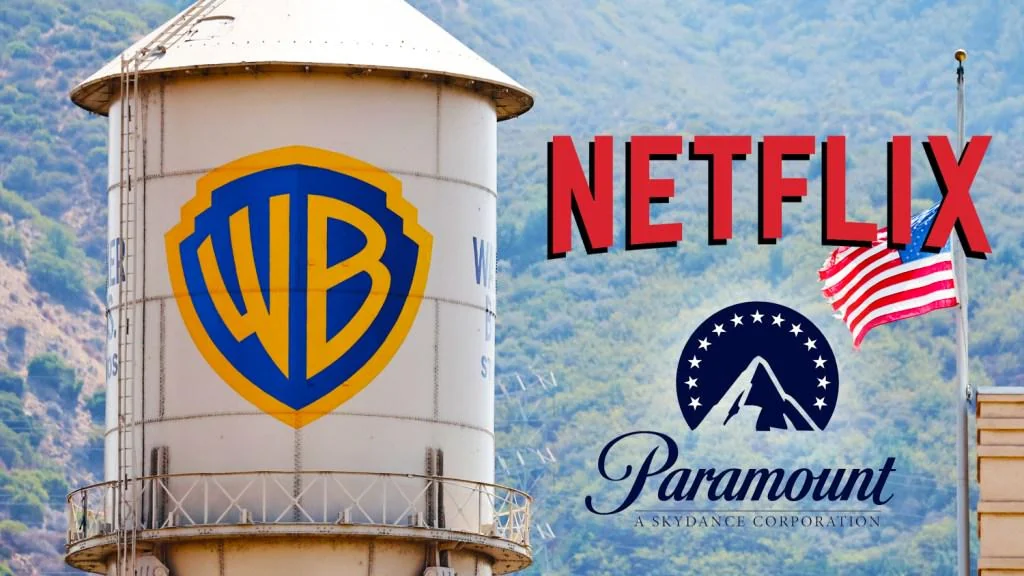
On February 26, 2026, one of the biggest corporate battles in Hollywood history came to a sudden end. Netflix walked away from its $83 billion bid for Warner Bros. Discovery’s studio and streaming assets, handing victory to Paramount Skydance in the fight to acquire the entire company. The final price tag was a staggering ~$111 billion all-cash offer from Paramount.

This is one of the largest media deals ever, bigger than Disney-Fox, and it reshapes who controls some of the most valuable content libraries on the planet: HBO, Max, DC Comics, Harry Potter, Game of Thrones, CNN, Discovery networks, Warner Bros. Pictures, and more.
Here’s the full gist: what happened, why Netflix quit, who wins, who loses, and what it means for streaming fans in Nigeria and around the world.
The Bidding War Timeline (Late 2025 – February 2026)
Warner Bros. Discovery (WBD) has been under pressure for years: $40+ billion in debt, declining cable TV revenue, and fierce competition from Netflix, Disney+, and Amazon Prime Video. In late 2025, WBD quietly put itself on the market.
- December 2025: Netflix agrees to buy WBD’s studio and streaming businesses (HBO, Max, Warner Bros. Pictures, etc.) for ~$82.7–$83 billion. It’s a clean, focused deal. Netflix gets content, WBD sheds debt.
- Early 2026: Paramount Skydance launches a hostile bid for the entire WBD, not just studios, but CNN, Discovery, TNT, TBS, and everything else. Initial offer: $30 per share all-cash (~$108–$110 billion total).
- February 2026: Paramount raises to $31 per share (~$110.9–$111 billion). WBD’s board calls it a “superior proposal,” triggering a match window for Netflix.
- February 26, 2026: Netflix declines to match. Paramount Skydance becomes the clear winner. Netflix collects a $2.8 billion breakup/termination fee as consolation.
The deal now heads to regulatory review (antitrust scrutiny expected due to scale). Expected close: September–December 2026.
Why Netflix Walked Away
Netflix co-CEOs Ted Sarandos and Greg Peters issued a short statement: the higher price was “no longer financially attractive,” and their original deal had a clearer regulatory path.
Translation: Netflix didn’t want to overpay in a bidding war, take on massive debt, or risk antitrust blocks. Investors cheered as Netflix stock jumped sharply on the news (relief at avoiding dilution).
For Netflix, staying focused on originals, live events, and core streaming growth was more appealing than owning a huge legacy library.
Paramount Skydance Wins the Prize
Paramount (backed by David Ellison’s Skydance Media, RedBird Capital, Middle Eastern sovereign funds, and heavy debt financing) now controls one of Hollywood’s most powerful content empires.
Key assets Paramount inherits:
- HBO & Max streaming platform
- Warner Bros. Pictures (The Batman, Dune, Barbie, etc.)
- DC Comics universe
- Harry Potter & Wizarding World
- Game of Thrones & House of the Dragon
- CNN, Discovery, TBS, TNT networks
- Massive TV library (Friends, Big Bang Theory, etc.)
This creates a mega-player that rivals Disney (Marvel + Pixar + Star Wars) and Amazon (Prime Video + MGM).
What This Means for Streaming & Content
- Potential Max + Paramount+ merger: Combining libraries could create one of the strongest streaming services (HBO prestige + Yellowstone + Star Trek + DC + Paramount classics).
- More DC reboots & franchises: Paramount already owns Transformers & Mission: Impossible; adding DC could accelerate shared-universe plans.
- Cost-cutting risk: Big mergers often mean layoffs, studio restructuring, and canceled projects.
- Content availability in Nigeria: Better chance of HBO/Max shows staying on local apps (Showmax, iROKOtv, etc.) or bundled deals. But price hikes are possible if the new entity raises subscription fees globally.
- Hollywood power shift: Legacy studios keep consolidating to fight tech giants. Fewer independent players = less competition on pricing and creative freedom.
Bottom Line
Paramount Skydance just pulled off one of the biggest media takeovers ever, turning a defensive Netflix deal into a full-company conquest. Netflix walks away richer (thanks to the $2.8B fee) but stays lean. WBD employees and creators now face an uncertain future under new ownership.
For Nigerian viewers: Expect more HBO prestige content, DC movies, and Game of Thrones spin-offs in the coming years, but watch for any global price adjustments or library changes on streaming apps.
This is Hollywood consolidation at its peak: fewer companies, bigger libraries, higher stakes.
What do you think? Good for content variety or bad for competition? Drop your take below!
(Sources: Netflix investor release & statement, February 26, 2026; Warner Bros. Discovery board announcement; Reuters, Deadline, CNBC coverage from February 26, 2026.)