The car you buy in the next two years will be less of a machine and more of a thinking partner. Automakers are embedding artificial intelligence deep into vehicle systems as core infrastructure. Here are five AI features already in the pipeline.
Your Car Will Hold a Real Conversation
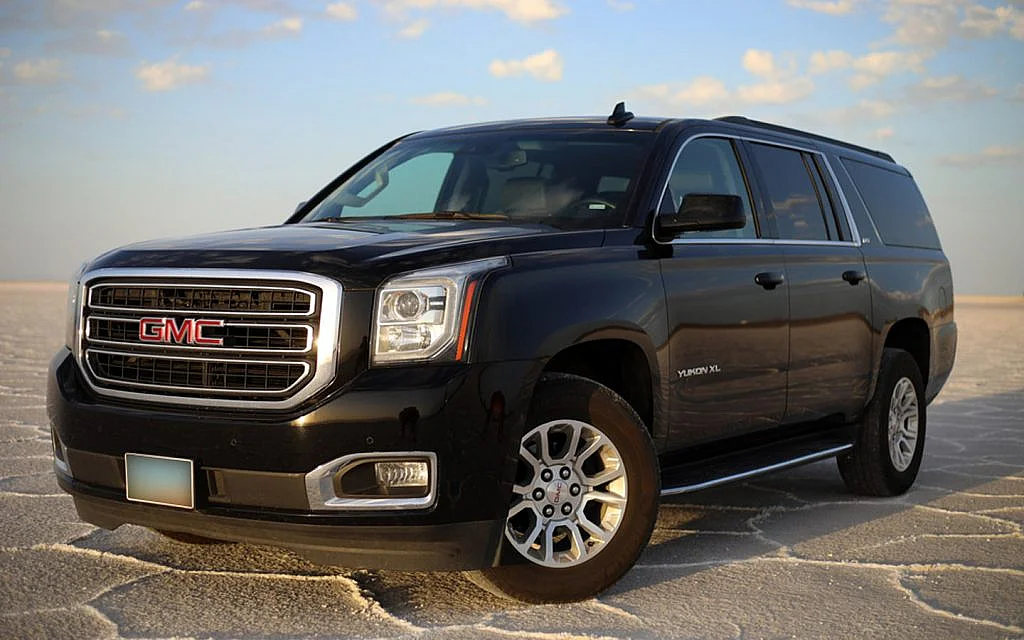
The era of shouting “Call John!” at an unresponsive dashboard is ending. GM is rolling out a conversational AI assistant powered by Google Gemini across its Buick, Chevrolet, Cadillac, and GMC vehicles starting in 2026. The key difference from older voice systems is context; you won’t need to memorise trigger phrases. GM’s senior VP of software described the old problem plainly: current voice assistants are trained on specific code words and struggle with accents or imprecise phrasing. The new generation listens to the way people actually talk.
Other brands are moving in the same direction. Stellantis is working with French AI firm Mistral, Mercedes has integrated ChatGPT, and Tesla has brought xAI’s Grok into its vehicles.
Hands Off, Eyes Off
Driver assistance has existed for years, but the next step is far more significant. Current systems require you to keep your eyes on the road even when your hands are off the wheel. Level 3 autonomy changes that. It allows drivers to take both hands and eyes off the road under certain conditions and at designated speeds, and AI is what makes it possible.
Several automakers are pushing toward Level 3 in the U.S. in the next few years: Rivian’s Autonomy Platform is targeted for 2026, Ford’s BlueCruise is expected to reach Level 3 on some 2026 models, and Volvo has already announced it on its 2025 EX90 electric SUV.
A Car That Knows You
AI is also redefining personalisation beyond saved seat positions. Modern vehicles are beginning to collect data on driver behaviour (how aggressively you accelerate, your typical routes, climate control preferences), and AI systems learn these habits to automatically adjust settings to match your style.
GM’s vision goes further: with user permission, its custom-built AI will be fine-tuned with your vehicle’s intelligence and personal preferences through OnStar. This can explain features of your specific car, spot early maintenance issues, or find a place to eat en route to your destination.
Predictive Maintenance Before the Breakdown
One of AI’s most practical contributions to driving is telling you what’s wrong before you’re stranded on the roadside. By analysing engine performance, sensor data, and driving habits, intelligent systems can detect issues early and recommend service before a breakdown occurs. This shifts the relationship between driver and car from reactive to proactive, and the vehicle becomes its own early warning system.
Vehicle-to-Everything Communication
Perhaps the least talked-about feature is also the most consequential. V2X (Vehicle-to-Everything) allows cars to communicate directly with road infrastructure, other vehicles, and traffic systems in real time. Rather than struggling to read a speed limit sign in bad weather, a V2X-enabled car receives that information directly from the infrastructure itself. Studies suggest this technology could address up to 88% of vehicle collisions, and over ten million V2X-capable vehicles are expected to be on the road, with regulatory mandates driving adoption across Europe, the US, China, and Japan.
The car has always been a symbol of freedom. What’s changing now is that the vehicle is becoming intelligent enough to share in the responsibility of the drive by handling the routine, so you can focus on the destination.